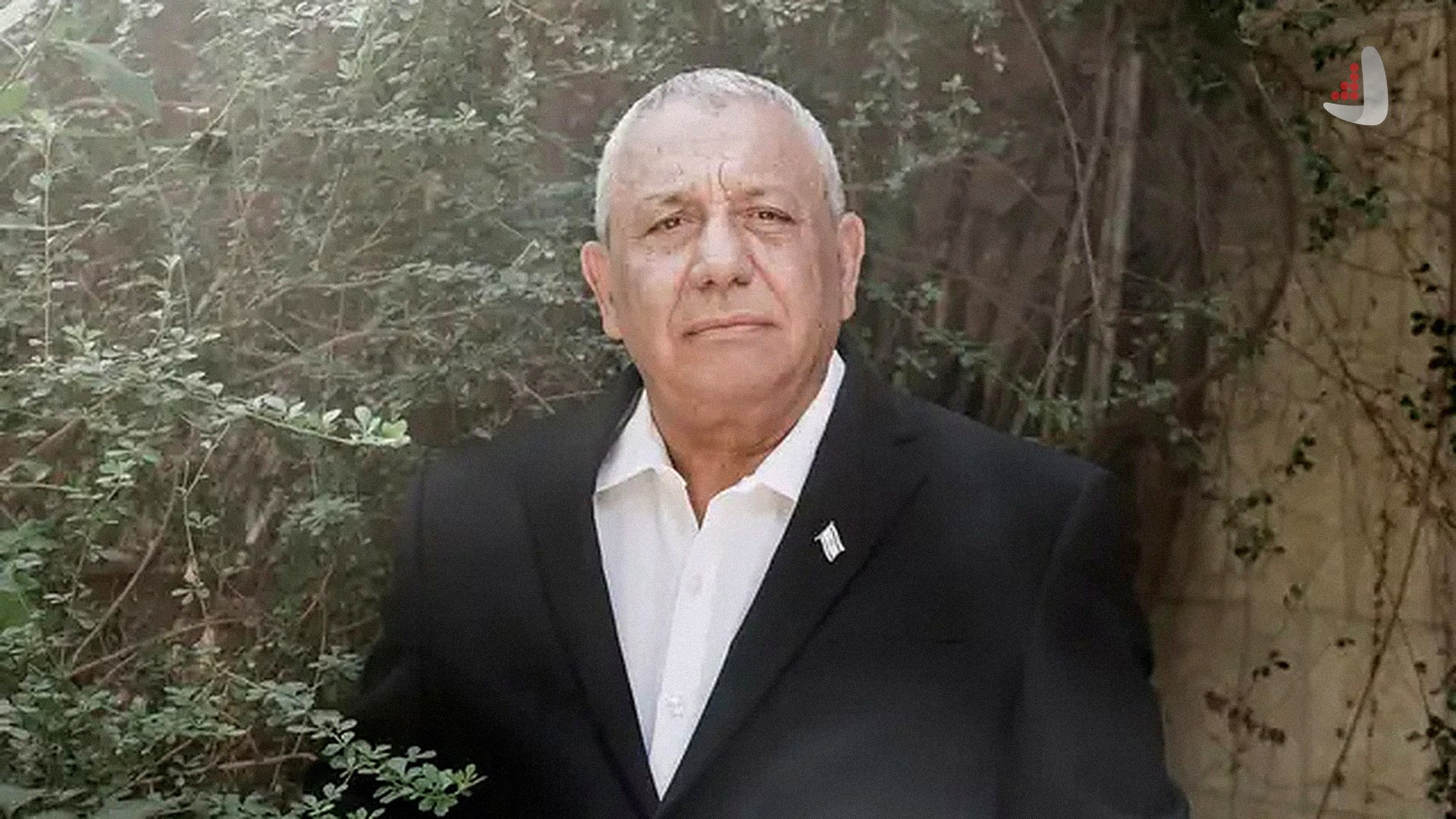
Gadi Eisenkot is seeking to unseat Netanyahu through a broad-based coalition and restore public trust.
According to Atlas Diplomacy, an article titled “Former General: A Threat to Ending the Netanyahu Era,” written by Eric Cortellessa, has been published in TIME. The article examines Israel’s electoral contest against the backdrop of the consequences of the October 7 attack, the Gaza war, the crisis of public trust, and international isolation. It focuses on Gadi Eisenkot’s efforts to form a broad-based coalition, rebuild democratic institutions, and change Israel’s security and political course. The following is a summary of the article.
Gadi Eisenkot, the former Chief of Staff of the Israel Defense Forces (IDF), has emerged as one of Benjamin Netanyahu’s most serious challengers ahead of the October 27, 2026, election. The contest between the two is not merely a struggle for power, but a test of Israel’s political and social future after nearly three years of war, extensive casualties, internal divisions, and declining international standing. Polls indicate a close race, and the opposition’s ability to form a coalition with a parliamentary majority will be the decisive factor in determining the outcome.
Beyond his military background, Eisenkot is also known for his personal experience of loss and grief. His son, Gal, was killed in December 2023 during the Gaza war, an event that connects his personal experience to that of thousands of Israeli families affected by the conflict. Despite this loss, he has continued his political activities and is seeking to present himself as a figure capable of narrowing divisions within Israeli society. His personal credibility, professional record, and connections across different political constituencies are his most significant assets in the contest against Netanyahu.
Hamas’s October 7, 2023, attack and the failure of Israeli security institutions to prevent it represent a turning point in this electoral contest. Eisenkot joined the war cabinet in the early days of the conflict and opposed immediately expanding the fighting to the Lebanese front, arguing that military efforts should initially focus on confronting Hamas in the south. He also prioritized the release of hostages over the continuation of large-scale military operations, maintaining that an agreement to bring them home should be pursued before the war escalated further. Netanyahu, however, chose a different course, and ground operations and extensive bombardment of Gaza continued. According to figures from Gaza’s Health Ministry, the war has killed more than 70,000 Palestinians.
Disagreements over the objectives of the war and the absence of a clear strategy for ending it led to Eisenkot’s political break with Netanyahu. Eisenkot argued that military power without a diplomatic vision could not produce a lasting victory. He was also concerned that prioritizing the government’s political survival would sideline the release of hostages and accountability for the security failure. He resigned from the emergency government in June 2024. Subsequently, Israel’s military operations against Hamas, Hezbollah, and Iran expanded, but military gains failed to resolve the human costs of the Gaza war or the political and diplomatic crisis. The ceasefire and hostage-exchange agreement in October 2025 was also reached under pressure from Donald Trump.
Eisenkot’s political platform is based on restoring public trust, strengthening security, preserving Israel’s Jewish and democratic character, and repairing its foreign relations. He has pledged to dismantle illegal settlements in the West Bank, confront extremist settlers who engage in violence, expand national service, and establish an official commission of inquiry into the October 7 failure and the decisions made during the preceding decade. His proposal to establish the commission within the first 14 days of a potential government is a response to demands for accountability regarding political and security responsibility for the disaster.
Nevertheless, his approach to the Palestinian issue has significant limitations. Eisenkot opposes the establishment of an independent Palestinian state, but warns of the dangers of Israel maintaining permanent control over millions of Palestinians. He favors a form of separation in the West Bank, an expanded role for the Palestinian Authority, and implementation of Trump’s 20-point peace plan for Gaza, which provides a conditional pathway toward Palestinian statehood. He also considers a gradual reduction in Israel’s dependence on U.S. military aid over the next five to ten years necessary.
Eisenkot’s main challenge is converting his popularity and personal credibility into a parliamentary majority. Israel’s multiparty electoral system makes the formation of a stable government difficult, while cooperation with Arab parties also faces political obstacles. Ultimately, the election will determine whether Israeli society is ready to move away from a politics based on permanent siege and confrontation with the world, or whether it prefers the continuation of Netanyahu’s leadership. The outcome of this contest will affect the future of Israeli democracy, the country’s relations with the United States, and the prospects for reducing tensions with the Palestinians./ Source