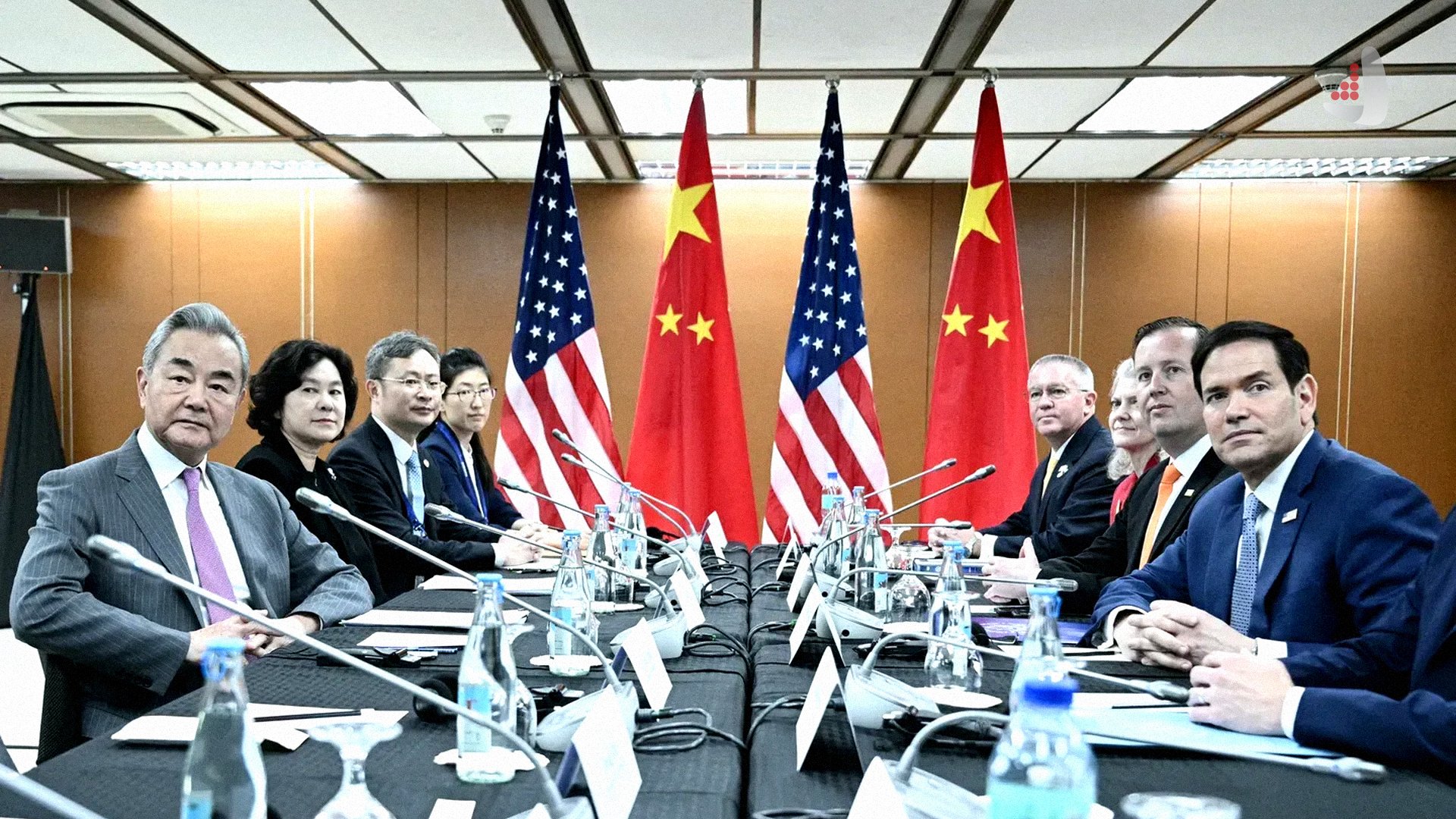
Claims of foreign interference in elections could serve as a pretext for expanding the powers of the Trump administration.
According to Atlas Diplomacy, an article entitled “The Real Threat of Election Interference,” authored by Shane Harris and published in The Atlantic, examines election security experts’ concerns that Donald Trump may exploit unsubstantiated claims of foreign interference to intervene in the vote-counting process and restrict the authority of U.S. states to administer elections. The following is a summary of the article.
Election security in the United States has once again become a central issue in the political confrontation between Donald Trump’s administration and its Democratic opponents. The primary concern is not merely the possibility of foreign countries infiltrating election infrastructure, but also the potential political exploitation of this threat and its implications for the independence of the electoral process. With the U.S. midterm elections approaching, claims about vulnerabilities in the electoral system could fuel widespread disputes over the legitimacy of election results and the scope of federal government authority.
In a televised address to the American public in July, Trump claimed that intelligence reports indicated serious vulnerabilities in the country’s electoral system to foreign interference. He specifically accused China of purchasing, stealing, or obtaining voter information from 18 states through cyberattacks. By suggesting that foreign actors might have manipulated actual votes, he also revived his previous claims that the 2020 presidential election had been stolen. However, intelligence documents released by the administration did not provide evidence substantiating his most sweeping allegations concerning the alteration of recorded votes.
This distinction is fundamental to election security because access to voter registration information does not necessarily imply penetration of voting systems or the ability to alter election outcomes. Voter data in many states can be accessed through public or commercial sources, and the collection of such information does not, in itself, constitute evidence of interference with the voting process. Independent fact-checks of Trump's speech have also indicated that disclosures concerning China's access to election-related data do not, by themselves, establish that votes were altered in the 2020 election. Previous U.S. intelligence assessments had likewise reported no evidence that a foreign actor had technically altered voter registration, voting, vote counting, or the reporting of election results.
From the perspective of Democratic opponents, the timing of these remarks is also significant. They view Trump's July address as a form of groundwork for potential disputes following the midterm elections. Their concern is that if Republicans lose a substantial number of seats in the House of Representatives and the Senate, Trump may once again invoke allegations of foreign interference and challenge the legitimacy of the election results. Under such circumstances, classified intelligence reports could become instruments for justifying extraordinary government actions.
One major concern is the possibility that the federal government might attempt to seize ballots or prevent states from continuing the vote-counting process. Under the U.S. electoral system, states bear primary responsibility for administering elections, counting ballots, and certifying results. Consequently, any direct intervention by the federal government in these responsibilities could trigger a fundamental dispute over the boundaries of executive authority and the independence of electoral institutions. Using intelligence information to justify such interventions could also undermine public oversight and make decision-making less transparent.
The remarks of Jim Himes, a senior Democratic member of the House Intelligence Committee, reflect these concerns. He has emphasized that the possibility of the president making such allegations again should be taken seriously. Nevertheless, based on the intelligence information he has reviewed, foreign adversaries have not, to date, altered votes in U.S. elections. This position distinguishes between the existence of genuine intelligence threats and unsubstantiated claims of election outcome manipulation.
More broadly, the issue concerns public confidence in America's democratic institutions. The repeated dissemination of unsubstantiated allegations of electoral fraud and foreign interference could deepen divisions among citizens, political parties, and the institutions responsible for administering elections. Conversely, overlooking genuine cyber and intelligence threats could also jeopardize the security of electoral infrastructure. The central challenge is to strike a balance between protecting elections against foreign threats and preventing security concerns from becoming instruments of political interference in the voting process.
Ultimately, the emerging dispute is not solely about the possibility of foreign interference; it also concerns a fundamental question: which institutions have the authority to oversee elections and determine the legitimacy of their results, and to what extent can federal government powers be expanded in the name of national security?
This situation could also establish a political and institutional precedent that may be repeated in future elections. If allegations of foreign threats are used as grounds for interfering with vote counting without clear supporting evidence, the independence of state election administration and confidence in the legal mechanisms governing the transfer of power could be undermined. Conversely, strengthening security oversight, transparently disclosing intelligence assessments, and adhering to established legal procedures could prevent political disputes from escalating into an electoral legitimacy crisis. From this perspective, the principal test of the upcoming elections will extend beyond the technical protection of electoral infrastructure to include the preservation of institutional safeguards and the assurance that legally certified results are respected./ Source