Trump is turning national security into an electoral weapon by fueling Islamophobia.
According to Atlas Diplomacy, an article titled “Islamophobia: Trump’s Last Card in the Midterm Elections,” written by David A. Graham and published in The Atlantic, examines how Donald Trump and his allies have used anti-Muslim allegations in electoral contests and linked the religious identity of a Democratic candidate to security threats. The following is a summary of the article.
As the U.S. midterm elections approach, immigration, national security, and the threat of terrorism have once again become central points of political contention. In this electoral climate, Donald Trump and his Republican allies have sought to link the political contest to questions of Islam, extremism, and public security by making allegations against Abdul El-Sayed, the Democratic candidate for the U.S. Senate in Michigan. This approach, particularly because it relies on the candidate’s religious identity rather than specific evidence of his actions, has sparked debate about Islamophobia and the electoral exploitation of social fears.
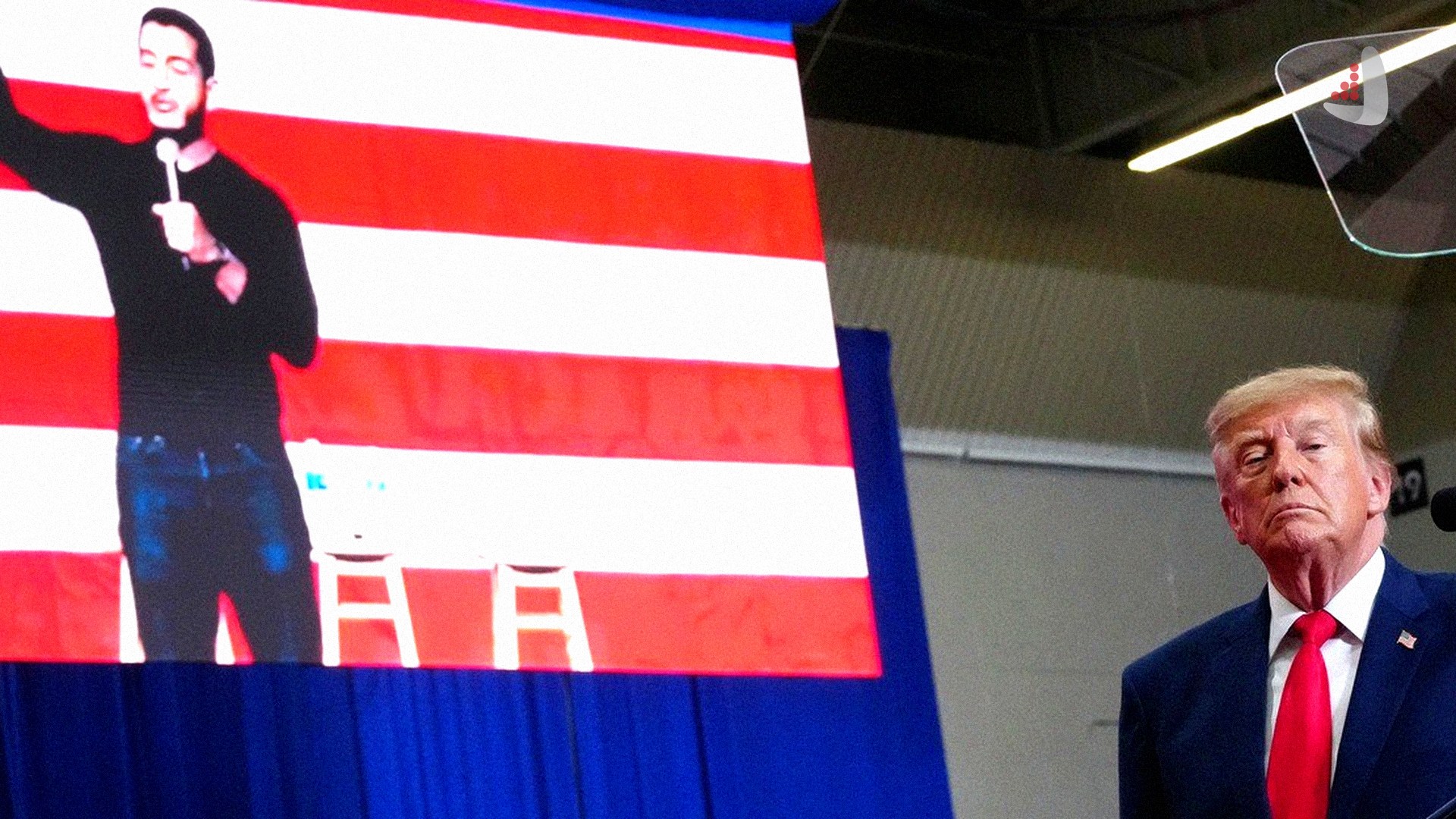
At an election rally in Port Huron, Michigan, Trump endorsed Mike Rogers, the Republican Senate candidate, and accused his Democratic opponent of having ties to the Muslim Brotherhood and jihadists. He claimed that a victory for El-Sayed and the Democrats could lead to a large influx of extremists into the United States and an increase in violence and terrorism. He also sought to portray El-Sayed as a threat to national security by making claims about the potential security restrictions that might apply to the candidate.
A significant part of these attacks rests on establishing a direct link between being Muslim and having an inclination toward terrorism. Such an approach disregards the distinctions between religious identity, political beliefs, and actual involvement in violent activities. Making security-related allegations against an electoral candidate without presenting clear and verifiable evidence can shift the assessment of their political qualifications away from their record, platform, and public positions and toward religious prejudice.
Trump’s reference to the need for El-Sayed to pass through a metal detector to enter the Senate was also part of this campaign narrative. This claim was made despite the fact that the use of metal detectors by members of Congress in the Capitol, in the aftermath of the January 6, 2021, attack on the Capitol by Trump supporters, was related to security measures in the House of Representatives. This history demonstrates that security procedures in Congress do not, in themselves, constitute grounds for portraying a Muslim candidate as a security threat.
At the political level, emphasizing terrorist threats can shift electoral debate away from tangible policy issues toward themes such as fear of the other, national loyalty, and religious belonging. Under such circumstances, an opposing candidate is portrayed not merely as a political actor with specific policies and positions, but as a symbol of a broader threat. This approach limits the scope for evidence-based discussion of security and counter-extremism efforts and may reinforce negative stereotypes about Muslims.
Nevertheless, the political significance of this approach should be examined within the broader context of electoral competition in the United States, where national security, immigration, and cultural identity are influential issues in partisan disputes. Making forceful allegations against an opponent can direct public attention toward alleged threats, but the credibility of such claims remains dependent on evidence and the possibility of independent scrutiny. Ultimately, this controversy raises a fundamental question about the boundary between political criticism and religious stigmatization: Is national security pursued through the documented examination of individuals’ conduct and actions, or through the generalization of security-related accusations to an entire religious group? The answer to this question affects the quality of electoral competition, the place of religious minorities in American society, and the possibility of maintaining a fact-based political discourse./ Source