The intensification of security ambiguities is pushing Iran toward a redefinition of its deterrence strategy.
According to Atlas of Diplomacy, a commentary entitled “Crisis Management Strategy Under Today’s Highly Ambiguous Conditions,” authored by Mohammad Mahmoudi‑Kia and published by Iranian Diplomacy, focuses on the rapid‑fire security and political developments surrounding Iran. It argues that the key factor restraining the United States and Israel from undertaking military action is the increased behavioral unpredictability of the Islamic Republic. To escape the crisis spiral, Iran, it contends, has no choice but to combine diplomacy with a resolute and uncompromising display of military deterrence. What follows is a summary of this commentary.
Rapid developments and severe political and security shocks in the environment surrounding the Islamic Republic of Iran indicate a significant increase in the likelihood of a deep security crisis and military action against the country. Given the conduct and approach of disruptive actors within the international system—including Donald Trump and Benjamin Netanyahu—this situation was foreseeable and helps explain the trajectory of escalating tensions against Iran. A series of actions, such as the attack on the building adjacent to Iran’s consulate in Damascus and the martyrdom of senior military commanders, the assassination of Martyr Ismail Haniyeh in Tehran, and the execution of offensive operations against the country’s air‑defense infrastructure, demonstrate a direct focus on Tehran as a strategic target.
The outbreak of the twelve‑day war took shape within the framework of the enemy’s understanding of the nature of Iran’s power and on the assumption that Tehran’s behavior was predictable. Despite earlier efforts to prevent the conflict from expanding into Iranian territory, the war was ultimately drawn into Tehran and other cities. Under these conditions, the rapid restoration of offensive capabilities and missile power played a decisive role in altering the course of the confrontation. Iran’s precise and wide‑ranging missile strikes in the final days of the war challenged assumptions of behavioral predictability and demonstrated the country’s capacity to design and execute effective operations deep inside the occupied territories, even in the face of multilayered air‑defense systems. This situation led to a halt in the war and pushed the enemy toward diplomacy and the proposal of a ceasefire.
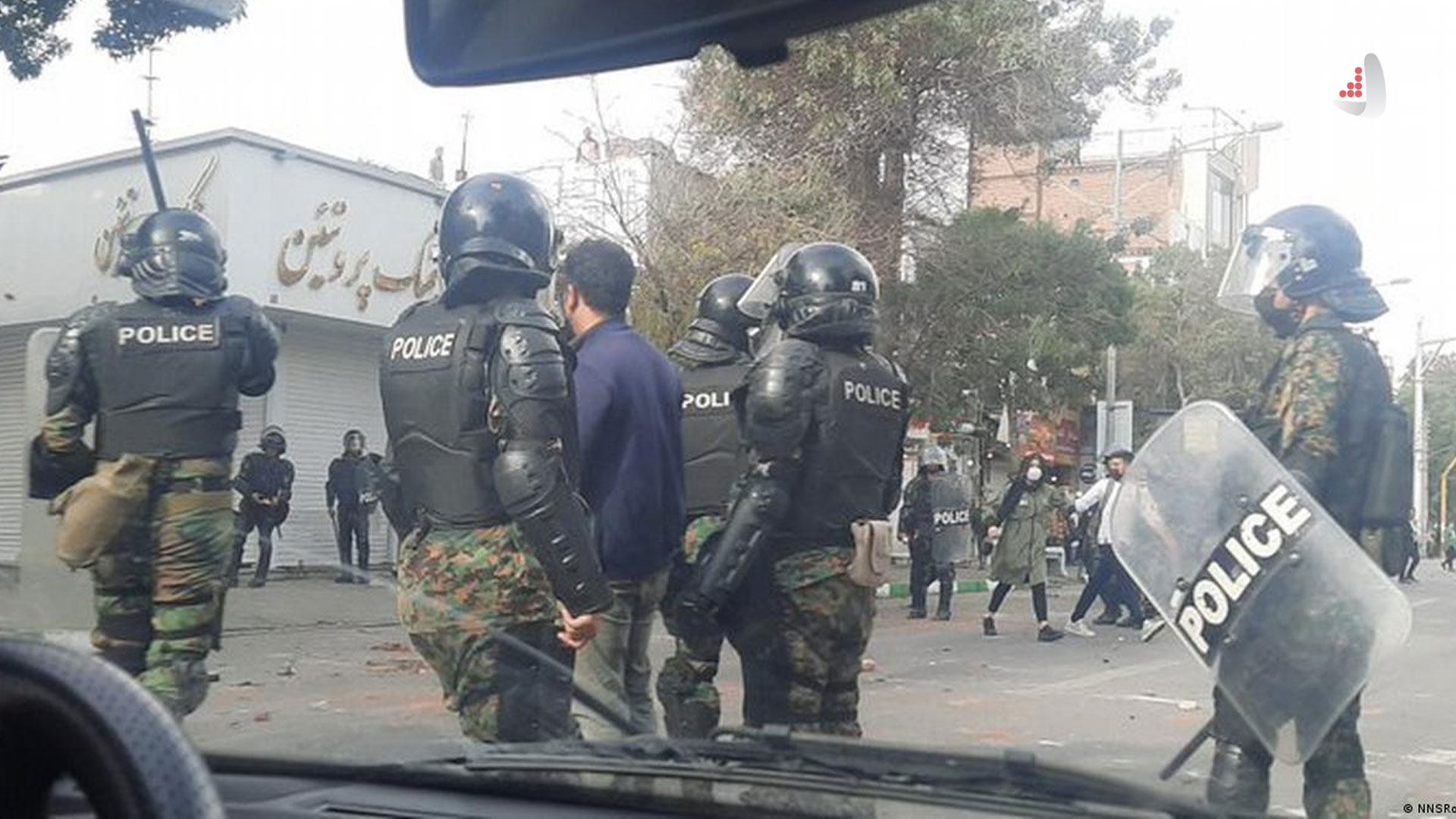
Thereafter, conditions continued with a higher level of ambiguity and complexity. The events of the 18th and 19th of Dey [early January, Gregorian calendar] in Tehran and other cities are assessed as part of the hostile policy of the United States and Israel. Within this framework, a multilayered plot, exploiting economic protests, culminated in widespread violence accompanied by cognitive warfare, media operations, and a “killing‑production project” [i.e., the deliberate creation and amplification of casualties for political and media leverage]. This process pursued two objectives: first, the structural collapse of the Islamic Republic, which did not materialize; and second, the creation of a media and legal groundwork for global consensus‑building and the legitimization of military action.
Recent maneuvers within international institutions, including efforts to pass human rights resolutions against Iran, are reminiscent of previous U.S. patterns preceding the attacks on Iraq in 1991 and 2003. In such an environment, preparing the country for the most pessimistic scenarios, closely monitoring the enemy’s political, diplomatic, and military movements, and strengthening counter‑capabilities are deemed essential. Although diplomacy is the least costly option for crisis management, the U.S. approach and its stated preconditions point to a stronger inclination toward examining the military option.
Within this context, Iran has entered an escalating crisis spiral, a reality confirmed by developments in recent months. The decisive factor behind Washington’s hesitation to take military action is assessed to be the increase in the unpredictability of Iran’s behavior, which has produced contradictions in the statements of U.S. officials and heightened concern over the consequences of any military confrontation. At the same time, the use of formal and informal channels to convey deterrent messages—combined with declarations of readiness for a decisive and wide‑ranging response to any aggression—is presented as an integral component of crisis management. Accordingly, neutralizing the military threat and projecting the image of an unpredictable actor are considered necessary conditions for overcoming domestic and regional challenges.