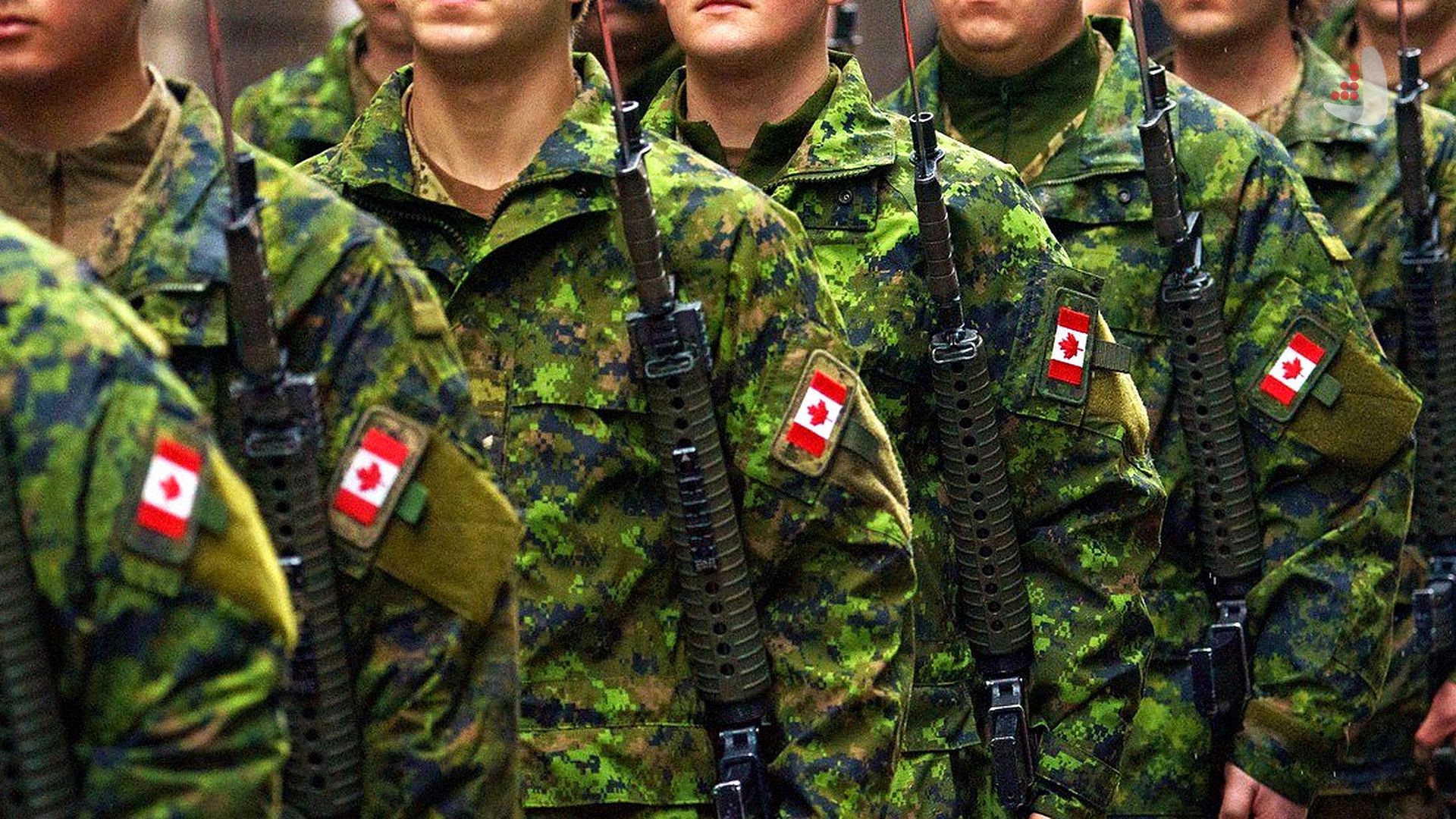
Canada is spending money to reduce its military dependence on the United States, but breaking away from Washington is proving difficult.
According to Atlas Diplomacy, an article titled “Canada and the Difficulty of Breaking Free from the United States,” written by Philippe Lagassé, was published in The Atlantic. The article examines the strategic, industrial, and financial challenges Canada faces in strengthening its independent defense capabilities. It shows how political tensions with the administration of Donald Trump have made it necessary for Ottawa to reassess its military dependence on Washington, while the two countries’ deep defense ties continue to hinder any rapid separation. The following is a summary of the article.
Canada is entering a period of rapidly rising defense spending at a time when escalating international security threats are coinciding with a weakening of the country’s longstanding trust in the United States. After decades of neglecting their military capabilities, many NATO members are now seeking to strengthen their defense capacities and reduce their dependence on Washington. Canada’s position, however, is more complicated, as its armed forces have been shaped over several decades by deep integration with the U.S. military, with a significant portion of its defense capabilities relying on cooperation with Washington.
Since 1957, when the North American Aerospace Defense Command (NORAD) was established, military cooperation between the two countries has gradually expanded. Despite limited resources and a smaller military, the Canadian Armed Forces have been organized to conduct joint operations with U.S. forces. This model has enabled Ottawa to maintain effective military capabilities without bearing the heavy costs of independently developing advanced equipment. The acquisition of surveillance aircraft, combat systems for new naval vessels, and the order for 88 F-35 fighter jets have also formed part of this strategy—a strategy that offered significant economic and operational advantages when relations with the United States were stable.
Donald Trump’s return to the White House has called previous assumptions into question. His remarks about turning Canada into the 51st U.S. state, along with the trade war triggered by tariffs, have heightened Ottawa’s security and economic concerns. A partner that had been regarded for decades as a guarantor of security and economic prosperity has, under certain circumstances, become a source of pressure. This shift has underscored the need for Canada to reduce its vulnerability to political decisions made in Washington.
In response to this situation, Mark Carney’s government is pursuing a two-pronged policy. On the one hand, it has increased military spending and reaffirmed its commitments under NATO in an effort to preserve defense cooperation and reduce disagreements with Trump. It is also considering potential participation in the “Golden Dome” missile defense project and efforts to strengthen North American economic integration. On the other hand, the government aims to reduce its dependence on American equipment and award a larger share of defense contracts to domestic companies.
Ottawa’s plan is to award 70 percent of defense contracts to Canadian companies over the next decade. Industrial cooperation with European and Indo-Pacific countries is also expanding. Selecting a Swedish early-warning aircraft instead of an American model and reconsidering the purchase of F-35 fighter jets are among the options under consideration. The projected increase in defense spending could create a major economic opportunity for domestic industries; however, realizing this potential will require sustainable financing, expanded production capacity, and long-term contracts.
Financial constraints are among the main obstacles to this plan. An unprecedented increase in military spending could force the government to raise taxes, cut social spending, or borrow more. Moreover, Canada’s defense industry still lacks sufficient capacity to independently produce many advanced military systems, and developing these capabilities will require time and substantial investment.
The main challenge extends beyond equipment procurement. Canada continues to depend on U.S. support for large-scale military operations abroad and has few independent alternatives in areas such as intelligence, communications, and command-and-control networks. Threats from Russia and China also underscore the continuing need for continental defense cooperation. The suspension of U.S. participation in one of the joint continental defense bodies has demonstrated that Washington can use this very dependence as a means of exerting political pressure.
As a result, Canada is unlikely to be able to quickly disentangle itself from the U.S. defense structure. However, declining trust in Washington has reinforced the need to diversify military partnerships and strengthen strategic autonomy. Achieving this goal will require substantial expenditures, considerable time, and broader cooperation with European allies. Ottawa’s main challenge is to strike a balance between maintaining essential cooperation with the United States and reducing its vulnerability to political pressure from that country./ Source