Contrary to Western assumptions that Moscow profits from high oil prices, Persian Gulf instability threatens Russia's strategic projects with Iran and Arab states.
According to Atlas Diplomacy, an analysis titled "Why Russia Wants Peace Between Iran and the Persian Gulf States" by Murad Sadygzade has been published in RT. Examining Sergey Lavrov's recent visits to Manama and Tehran alongside Moscow's collective security concept for the Persian Gulf, the analysis argues that prolonged war in the Middle East harms Russia's strategic interests and infrastructure projects. A summary of the piece follows below.
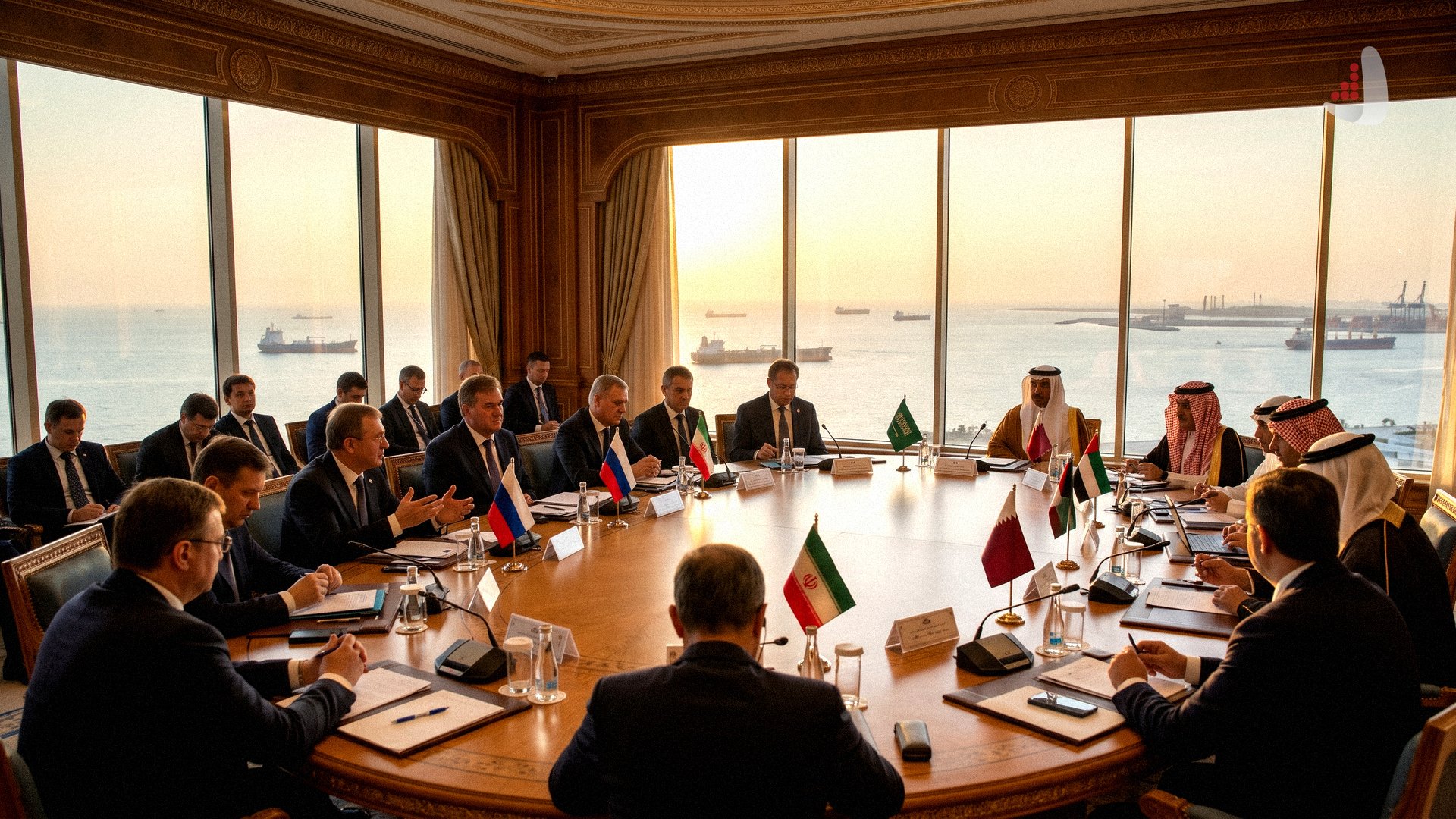
Russian Foreign Minister Sergey Lavrov's October 18 visit to Manama for the ninth ministerial meeting of the Russia–Gulf Cooperation Council strategic dialogue, followed the next day by his trip to Tehran to meet with Masoud Pezeshkian and Abbas Araghchi, was a diplomatic effort to prevent a deeper divide between the two shores of the Persian Gulf in the wake of U.S.-Israeli military aggression against Iran. While Arab representatives in Manama asked
Moscow to convey their concerns regarding strikes on their territory and maritime security to Tehran, Lavrov in Tehran reaffirmed Russia's commitment to economic agreements and restoring security and shipping conditions to their pre-attack state.
At the core of Moscow's diplomatic initiative is its updated "Collective Security Concept in the Persian Gulf," first introduced at the United Nations in 2019 and circulated in revised form to regional capitals in June. The proposal rests on the premise that the security of one group of states cannot be achieved by isolating another, and that Arab monarchies and Iran must agree on an inclusive framework—free from foreign military intervention and imposed arrangements—to build trust, protect civilian infrastructure, and keep maritime routes open.
Western media and policy circles frequently claim that Russia benefits from continued war in the Middle East because disruptions to Persian Gulf oil supplies drive up global energy prices and boost Moscow's export revenues. However, this analysis is superficial; short-term gains from higher oil prices cannot compensate for the strategic damage of weakened trading partners, halted investments, rising shipping and insurance costs, and the diversion of regional financial resources from development projects toward military spending.
Russia's need for a stable operating environment is clearly evident in its strategic cooperation with Iran. In Tehran, Lavrov spoke of the gradual return of Russian specialists to the Bushehr Nuclear Power Plant and prospects for cooperation in hydrocarbon production and transit—projects that a prolonged war places at serious risk. Furthermore, a sustained energy shock would ultimately trigger a global economic recession and reduce overall oil demand, hurting exporters.
The erosion of Western hegemony has given Middle Eastern states greater room to pursue independent policies, but regional autonomy will only be durable if neighboring countries agree on rules of coexistence, mutual respect for national sovereignty, and the rejection of imposed military solutions. Through its close ties with Tehran and growing cooperation with Arab states, Russia can serve as a communication channel and mediator for these talks, though the final outcome depends on the political will of Iran and the Persian Gulf states to accept reciprocal obligations./ Source