Syria’s domestic security challenges make deploying combat troops to Yemen unlikely, though Damascus could assist Riyadh with border protection and drone operations.
According to Atlas Diplomacy, an analysis titled “The Scope and Limits of Syrian-Saudi Military Cooperation Against Yemen’s Ansarallah” by Louay Faour has been published in The New Arab. Examining recent reports about the potential transfer of Syrian fighters to Yemen, this analysis argues that the transitional government in Damascus lacks the capacity for direct military intervention in the Yemen war due to internal security crises, and any potential cooperation with Riyadh would remain limited to drone training or guarding Saudi Arabia’s southern borders. Below is a summary of the piece.
Despite official denials from Damascus, reports have continued to circulate regarding talks between Saudi Arabia and Syria to transfer thousands of Syrian fighters to the frontlines against the Ansarallah movement (Yemen’s Houthis). Citing Yemeni intelligence sources, the Lebanese newspaper Al-Akhbar claimed that a military delegation from the new Syrian army—led by Brigadier General Khaled Khattab, commander of the 82nd Division, and Brigadier General Haitham al-Ali, commander of the Third Corps—visited the southern Saudi regions of Asir and Najran and met in Riyadh to discuss the costs and logistics of transferring roughly 10,000 fighters. Axios had also previously reported that Syria could send between 10,000 and 20,000 troops, potentially including its 84th Division.
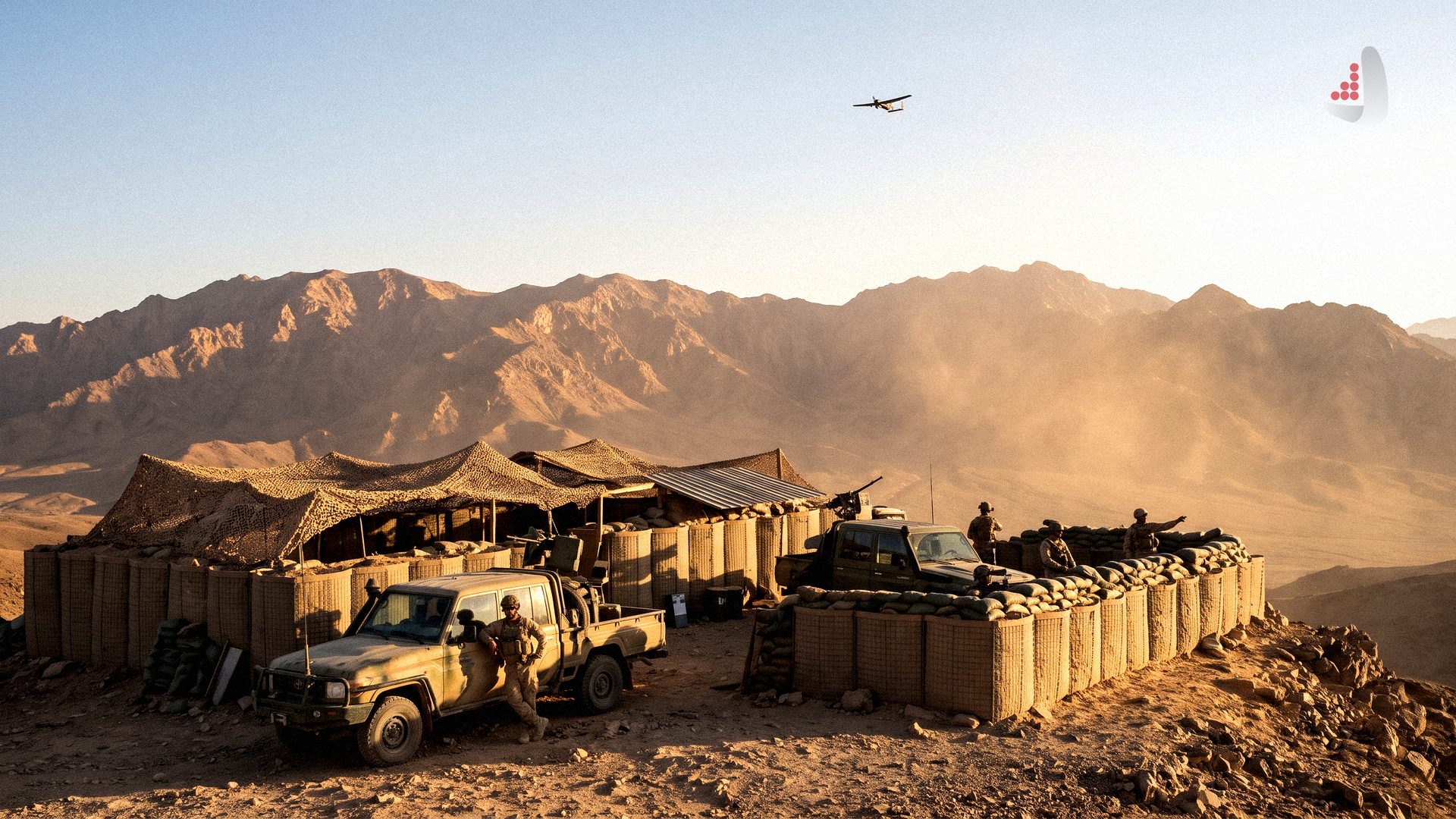
However, military analysts consider a direct deployment of Syrian troops inside Yemeni territory highly unlikely. Muaz al-Abdallah, a researcher at the Armed Conflict Location and Event Data Project (ACLED), emphasizes that no evidence of Syrian fighters operating, being captured, or suffering casualties in Yemen has been documented. According to him, if military cooperation between Damascus and Riyadh materializes in exchange for Saudi financial aid and reconstruction investment, it would likely be limited to stationing Syrian personnel on the Saudi side of the border for defensive purposes or sharing drone warfare expertise and training—an area where Syrian forces gained substantial experience during the offensive that toppled Bashar al-Assad’s regime.
Furthermore, Benjamin Schmida, a researcher at the Institute for the Study of War (ISW), assesses that the transitional government of Ahmed al-Sharaa declined Riyadh’s request due to severe security challenges inside Syria. Instability in the Kurdish-held northeast, Druze militia control over Suweida, sporadic Islamic State attacks, and repeated Israeli military incursions in southwestern Syria prevent the army from redeploying forces abroad. Moreover, foreign fighters integrated into the Syrian Defense Ministry—such as Uyghur fighters from the Turkistan Islamic Party—are regarded as elite units that Damascus urgently needs at home to maintain internal security.
Beyond Damascus’s own constraints, deploying foreign fighters would not resolve the core weakness of Yemen’s internationally recognized government in its war against Ansarallah. While forces aligned with the Yemeni government are estimated at around 100,000 troops scattered across the frontlines of Taiz, Marib, and Jawf, Ansarallah commands a much larger and more cohesive force. Political fragmentation and poor military coordination among anti-Houthi factions mean that injecting additional manpower would not decisively alter the balance on the battlefield, while excessive Saudi pressure on Damascus could risk pushing Syria closer to Turkey or the UAE./ Source