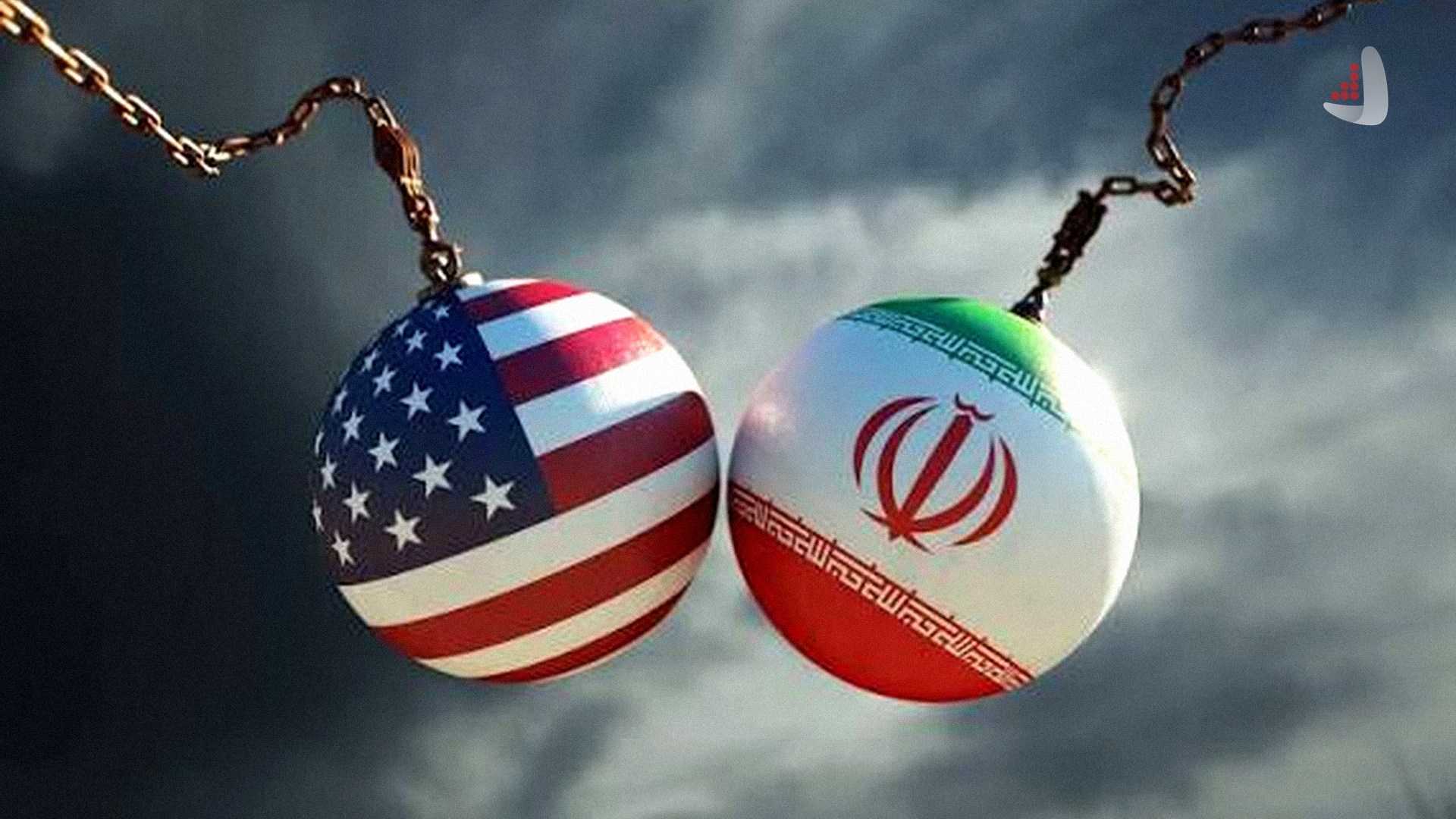
U.S. pressure and regional rivalry have deepened Iran’s distrust and reinforced its deterrence logic.
According to Atlas Diplomacy, the commentary “Why U.S. Hostility Toward Iran Persists,” written by Ebrahim Motaghi, a professor at the University of Tehran, was published in Farhikhtegan Daily. The piece traces the roots of the Tehran-Washington conflict to the historical experience of U.S. intervention, post-JCPOA pressure, regional competition, and the logic of the balance of power, while emphasizing the role of deterrence and reciprocal action in confronting coercive diplomacy. What follows is a summary of the article.
The conflict between Iran and the United States is regarded not as the product of a single, isolated episode, but as the cumulative result of historical experiences, geopolitical rivalries, and mutual security perceptions. The 1953 coup, Washington’s support for the Pahlavi government, the suppression of student protests on 16 Azar [December 7], and the U.S. role in Iran’s security apparatus before the Revolution are among the factors that contributed to the formation of a durable distrust of U.S. policy. After the Revolution, this perception was further reinforced by sanctions, political and security pressure, and U.S. support for Iran’s regional rivals.
Within Iran, three principal explanations are offered for the persistence of this conflict: the revolutionary character of the Islamic Republic, Iran’s regional role and network of allies, and the limited scope for direct negotiations with Washington. Against these explanations, the central argument is that any understanding of the conflict will remain incomplete without taking into account the structure of power in the international system. Tehran-Washington relations have developed in an environment in which both sides perceive the other’s policies as a threat to their own security and spheres of influence.
The U.S. withdrawal from the Joint Comprehensive Plan of Action (JCPOA) and the reimposition of unilateral sanctions marked a major turning point in the deepening of distrust. The JCPOA was initially viewed as a path toward reducing tensions and rebalancing Iran’s economic relations with the West, but Washington’s withdrawal from the agreement strengthened the perception in Tehran that diplomatic concessions do not necessarily lead to a reduction in pressure. At the same time, Europe’s inability to offset the effects of the sanctions also called the effectiveness of the negotiation strategy into question in the eyes of Iranian policymakers.
During Donald Trump’s presidency, the “maximum pressure” policy combined economic sanctions, military threats, and an expanded U.S. operational presence in the Persian Gulf. The deployment of naval forces and military equipment, intensified pressure on the Islamic Revolutionary Guard Corps (IRGC), and efforts to build regional coalitions with Israel and Arab states made Iran’s surrounding security environment even more volatile. These conditions strengthened the logic of reciprocal action and deterrence in Iran’s security calculations, particularly given the perception that retreat could encourage the other side to escalate its demands and apply still greater pressure.
At the regional level, Iran’s rivalry with the United States, Israel, and Saudi Arabia is presented as part of a broader balance of power. Because of its importance to energy markets, the U.S. military presence, and competition among regional actors, the Persian Gulf has become one of the principal arenas of this tension. From this perspective, economic sanctions, military threats, coalition-building, and diplomatic pressure are not separate instruments, but complementary components of a policy of coercion.
The analysis concludes that a durable reduction in tensions cannot be achieved through perfunctory negotiations or unilateral pressure alone. As long as the two sides’ security perceptions, regional rivalry, and historical distrust remain in place, the likelihood that crises will recur remains high. In such an environment, Tehran emphasizes the preservation of deterrent power and reciprocal action, while Washington regards pressure as an instrument for changing Iran’s behavior—a cycle that itself contributes to the persistence of hostility./Source