Moscow can facilitate nuclear talks, but its mediation efforts face significant constraints.
According to Atlas Diplomacy, the article “How Far Can Moscow Go as a Mediator?”, written by Saeedeh Sadat Fahri and published in Institute for Iran-Eurasia Studies, examines Mahmoud Shouri’s assessment of Russia’s potential role in easing tensions between Iran and the United States. The article, identifies opportunities for Moscow to facilitate nuclear diplomacy while highlighting differences between Tehran and Moscow over Persian Gulf security and the limitations of great-power mediation. The following is a summary of the interview.
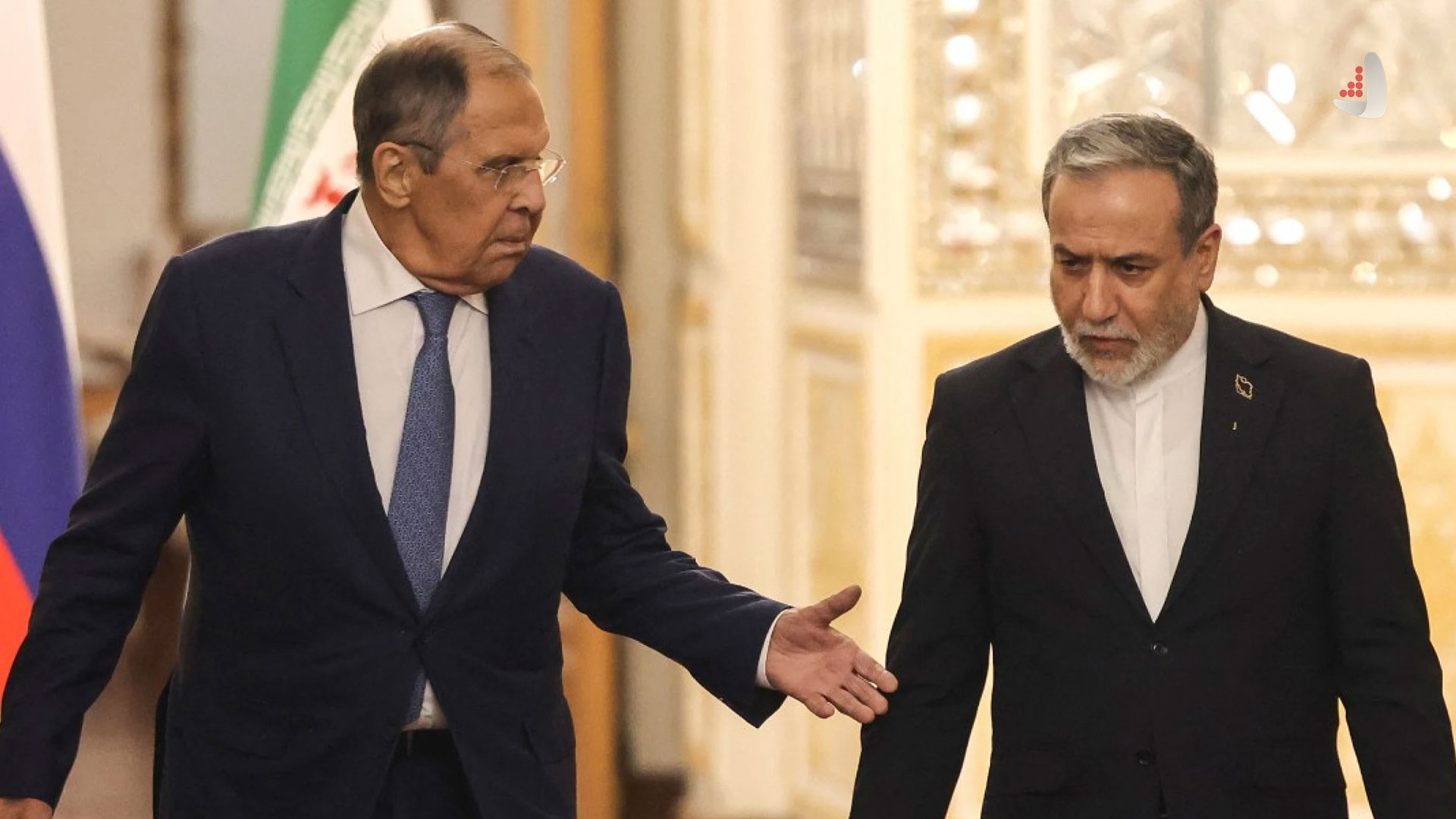
Russian Foreign Minister Sergey Lavrov’s visit to Tehran, amid diplomatic efforts to reduce tensions between Iran and the United States, has increased speculation about possible mediation by Moscow. Russia, however, has not formally announced any such undertaking, and diplomatic efforts to ease a crisis should be distinguished from accepting the role of mediator. Nor does the strategic relationship between Iran and Russia necessarily mean that assigning Moscow this role would serve Tehran’s national interests.
As major powers, Russia and China are interested in exercising diplomatic influence over regional developments, but their involvement in Iran–U.S. discussions could introduce further complications. Welcoming Russian efforts to de-escalate tensions should therefore not be confused with automatically endorsing formal mediation. Any initiative must be evaluated against Iran’s interests.
One context for Lavrov’s visit is Russia’s collective security proposal for the Persian Gulf, first introduced in 2019 and recently updated by Moscow. Its stated objective is to promote dialogue and regional stability, but Tehran and Moscow do not agree on all its elements. In particular, Russia appears inclined to leave the Palestinian–Israeli issue outside the proposal’s direct framework, whereas Iran regards Palestine as one of the fundamental sources of regional insecurity.
The Strait of Hormuz also exposes differences in the two countries’ approaches. Russia and China emphasize keeping international waterways open to all states, a position that does not necessarily align with Iran’s current strategy in the Persian Gulf. Supporting a constructive Russian contribution to de-escalation is therefore different from handing Moscow responsibility for managing regional security. The practicality of the collective security proposal and its compatibility with Tehran’s security considerations require careful assessment before any agreement.
On the nuclear issue, Russia opposes Iran acquiring nuclear weapons or its nuclear program escaping effective controls, but it favors managing the dispute through dialogue rather than coercion. This difference in approach offers potential room for cooperation. Nevertheless, the divide between Tehran’s and Washington’s positions remains substantial. From Iran’s perspective, current U.S. policy seeks to eliminate its nuclear capabilities rather than establish mutually accepted limitations on them.
Russia’s record on Iran’s nuclear file reveals a mixture of cooperation and divergent interests. At certain points, Moscow supported Western-backed resolutions against Iran; at others, it helped efforts that culminated in the Joint Comprehensive Plan of Action (JCPOA). After that agreement, Russia advocated preserving it and argued that Western states had violated their commitments. Russia and China also declined to support Western efforts to restore sanctions in connection with UN Security Council Resolution 2231.
Moscow continues to focus on a return to the JCPOA. Russia has advanced proposals concerning Iran’s uranium enriched to 60 percent, and Vladimir Putin has personally participated in consultations on the issue. Such efforts could enable Moscow to serve as a facilitator, but do not automatically make it a mediator accepted by all parties. Until the gaps between Iranian demands, American objectives, and Russian proposals narrow, the prospects for a nuclear agreement through Moscow’s initiative will remain uncertain./ Source