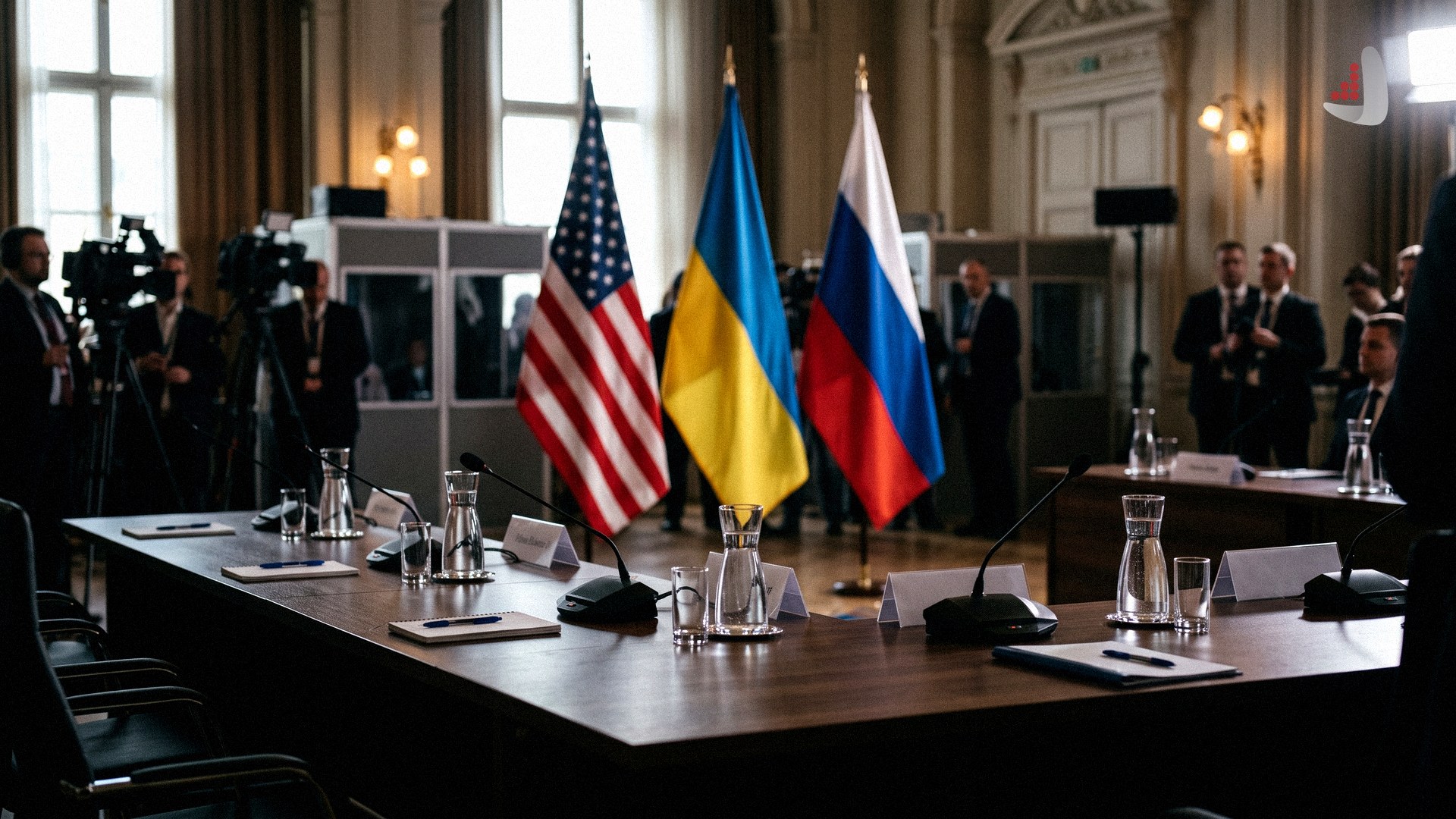
The U.S.-Russia energy agreement demonstrates Washington’s willingness to negotiate directly with Moscow, but it does not resolve the underlying deadlock in Ukraine.
According to Atlas Diplomacy, an analytical article titled “The Washington-Moscow Diesel Deal: A Diplomatic Gain Without a Guarantee of Ukraine Peace” by Anton Grishanov has been published in RT. The article argues that while the diesel agreement between Moscow and Washington marks a diplomatic success for Russia and highlights growing friction between Kyiv and the White House, fundamental contradictions in the conflict and domestic U.S. hurdles prevent a lasting peace settlement. Below is a summary of the piece.
The recent diesel agreement between Moscow and Washington has shaken up the geopolitical calculations surrounding the Ukraine conflict. Despite his heavy dependence on U.S. assistance, Volodymyr Zelensky has opted for direct confrontation with Donald Trump rather than declaring a temporary moratorium on strikes against Russian oil refineries until the U.S. congressional elections. Unlike previous ruptures that were smoothed over by European leaders and figures such as Lindsey Graham or Keith Kellogg, Kyiv’s traditional backers in Washington no longer wield the same influence.
Nevertheless, diminished pressure from pro-Kyiv hawks on Trump does not guarantee a fundamental shift in American strategy. Proposals still circulating in Washington—including freezing hostilities along current front lines—remain unacceptable to Moscow. Moreover, influential figures inside the U.S. administration, notably Secretary of State Marco Rubio, remain deeply skeptical of Moscow, and their relative silence should not be mistaken for acquiescence.
Domestically, the diesel deal is primarily a political gesture aimed at reassuring Trump’s core voters amid economic strain. Russian diesel exports are unlikely to quickly lower fuel prices or prevent Republicans from losing control of the House of Representatives. A Democratic victory in Congress would not only pressure the White House to sustain aid to Kyiv, but could also leave greater foreign policy authority in the hands of officials hostile toward Moscow.
Even if external pressure mounts to replace Zelensky with a figure more acceptable to Washington and Europe, the root contradictions of the conflict will persist. The diesel agreement proved that Washington is prepared to negotiate directly with Russia when U.S. interests require it regardless of Kyiv’s objections, but this diplomatic achievement has not altered the fundamental dynamics of the conflict./ Source