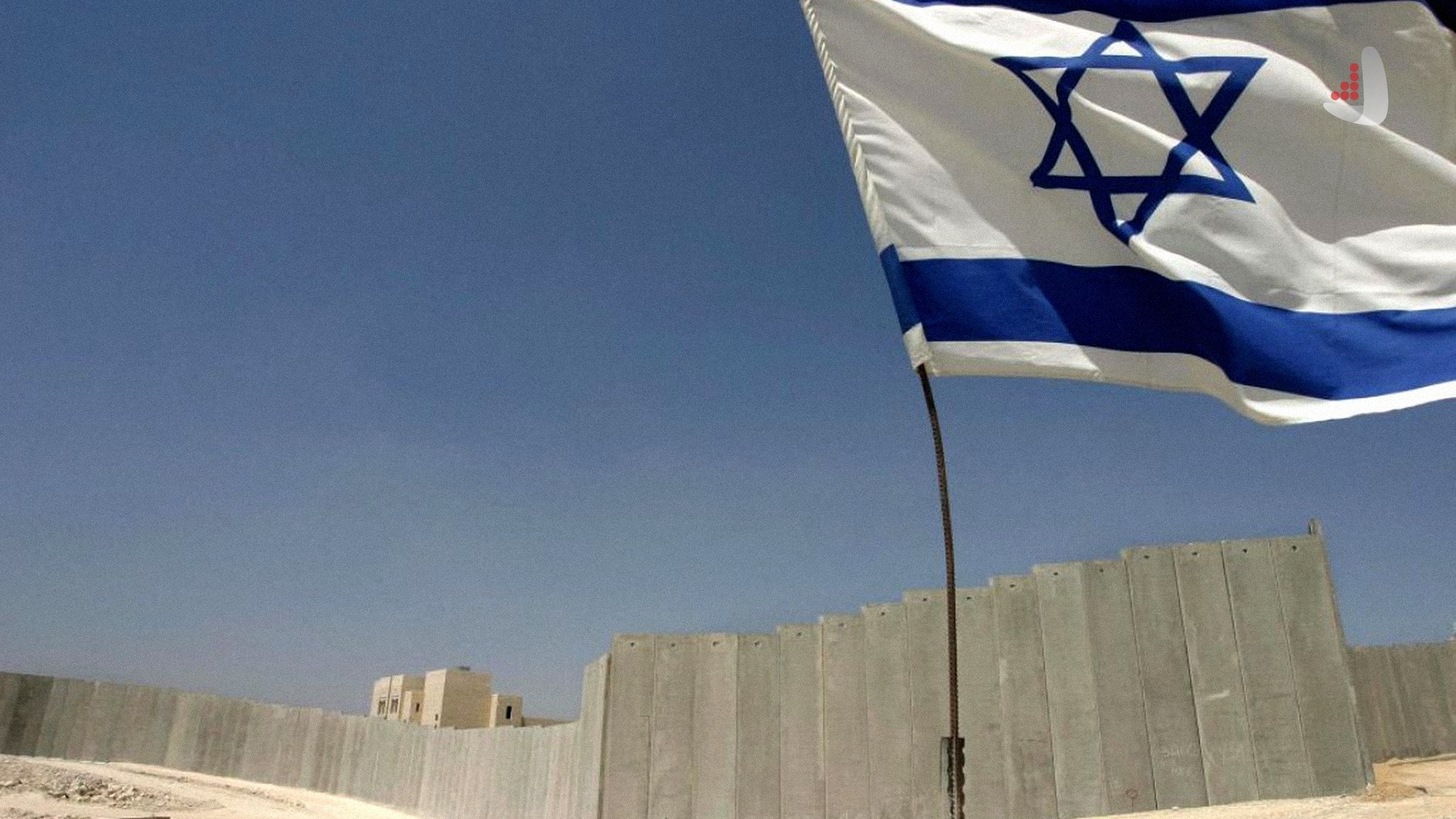
While settlement expansion across the West Bank proceeds systematically, the West clings to the myth of a two-state solution by separating Netanyahu’s cabinet from Israel’s broader political structure.
According to Atlas Diplomacy, an opinion piece titled "The West’s Futile Wait for an Israel That Does Not Exist" by Izzeddin Araj has been published in The New Arab. Examining the positions of various political factions ahead of Israel’s October 27 elections, the piece demonstrates that settlement expansion and the rejection of an independent Palestinian state are not the policies of a single cabinet, but the core nature of the entire Israeli political system. Below is an abstract of the piece.
In Western mainstream politics and media, criticizing "extremist settlers" and blaming figures such as Itamar Ben-Gvir, Bezalel Smotrich, and Benjamin Netanyahu for destroying peace prospects is the easiest and cheapest form of reaction. This approach rests on a comforting assumption: that the problem is merely the current cabinet, and that its removal in the October 27 elections will bring forth a moderate Israeli partner ready for peace—even as political actors, the Palestinian Authority, and international institutions have spent years profiting from the unfulfilled promise of a "two-state solution."
A look at the leading alternatives to Netanyahu reveals no fundamental disagreement over settlement expansion or control of the West Bank. Gadi Eisenkot, the former army chief viewed as Netanyahu’s main challenger, has explicitly pledged that no Palestinian state will be established under any government he leads. When the Housing Ministry opened bidding in August for roughly 1,200 housing units in the E1 corridor east of Jerusalem, Eisenkot called a Palestinian state a "grave mistake" and objected only to the timing of the announcement.
Other rivals hold similar views. Naftali Bennett, who now leads a joint list with Yair Lapid, previously served as director-general of the Yesha Council of settlers and advocates annexing Area C, which covers more than 60 percent of the West Bank. Even Yair Golan, leader of the Democrats and considered a dove by Israeli standards, has described talk of a Palestinian state as destructive. Since the signing of the Oslo Accords in 1993, the settler population has grown from roughly 250,000 to over 750,000, with much of this expansion occurring under governments regarded by the West as moderate, including those of Ehud Barak in 2000 and Ehud Olmert in 2008.
Experience has proved to Palestinians that settlement is not merely the policy of a particular administration in Israel, but the system itself, and that disagreements among Israeli politicians revolve only around how to manage, institutionalize, and calibrate violence before the diplomatic cost grows too high. When settler violence is portrayed as an exception and an extremist deviation, the West can preserve the imaginary image of a "moderate Israel."
This political fantasy survives through fragmentation: genocide in Gaza is framed as an excessive use of legitimate force, violence in the West Bank as a temporary extremist deviation, and abuses against Palestinian citizens inside Israel as a threat to democracy. After the October 27 elections, the West will renew its wait for an Israel that does not exist, because the longer it waits for an imagined Israel, the less it has to confront the Israel that actually exists./ Source