Ansarallah's push to localize ballistic missile manufacturing and diversify its supply chain poses a severe challenge to Saudi Arabia's deterrence calculus.
According to Atlas Diplomacy, an analysis titled "The Evolution of Ansarallah's War
Machine and the Intractable Challenge to Saudi Air Defenses" by Francesco Salesio Schiavi has been published in The New Arab. Drawing on new evidence of Ansarallah's efforts to manufacture ballistic missile components inside Yemen and leverage commercial supply chains, the analysis examines Riyadh's growing difficulties in containing the group's combined strike campaign. A summary of the piece follows below.
New evidence indicates that Yemen's Ansarallah movement has moved beyond assembling imported weapons toward locally manufacturing components of Iranian-designed medium-range ballistic missiles. A recent report by Conflict Armament Research (CAR) details the discovery of four shipping containers in Aden's free zone that had been loaded in China in June and October 2025, bound for the port of Hodeidah. The cargo contained machined airframe and rocket motor components for the "Kheibar Shekan" missile—which has a 1,450-kilometer range and maneuvering capabilities—alongside industrial machinery and raw materials for local production and testing inside Yemen.
Although Ansarallah still relies on technology transferred from Iran—including Kheibar Shekan and Fattah missiles—for critical subsystems and precision guidance equipment, expanding its procurement network to commercial suppliers in China reduces the group's vulnerability to the U.S. naval blockade. The U.S. Treasury Department had previously sanctioned two Chinese companies in September 2025 for supplying chemical precursors for missile propellant and dual-use electronic components to Ansarallah, demonstrating that severing the movement's supply lines is no longer possible simply by interdicting traditional routes.
Alongside upgraded industrial capacity, Ansarallah's operational tactics have grown increasingly sophisticated. As of October 15, the group has carried out at least 42 attacks against Saudi territory—including nine targeting Riyadh and five targeting energy infrastructure in the Eastern Province—one-third of which involved ballistic missiles. In the October 12 strike on Riyadh's airport, a combined pattern was used in which drones preceded cruise and ballistic missiles to exhaust air defense systems across varying altitudes and speeds. Using reconnaissance drones to cue short-range missiles in real time has also improved battlefield targeting accuracy.
Concentrating strikes on Saudi airports and energy facilities, alongside the October 15 attack on the presidential palace in Aden and positions in Marib, is designed to impose heavy economic costs and secure political bargaining leverage without needing to defeat the Saudi military directly. By linking its declared blockade against Saudi Arabia to threats against Red Sea shipping at a time when the Strait of Hormuz also faces instability, Ansarallah is applying compounded pressure on Riyadh and extra-regional actors.
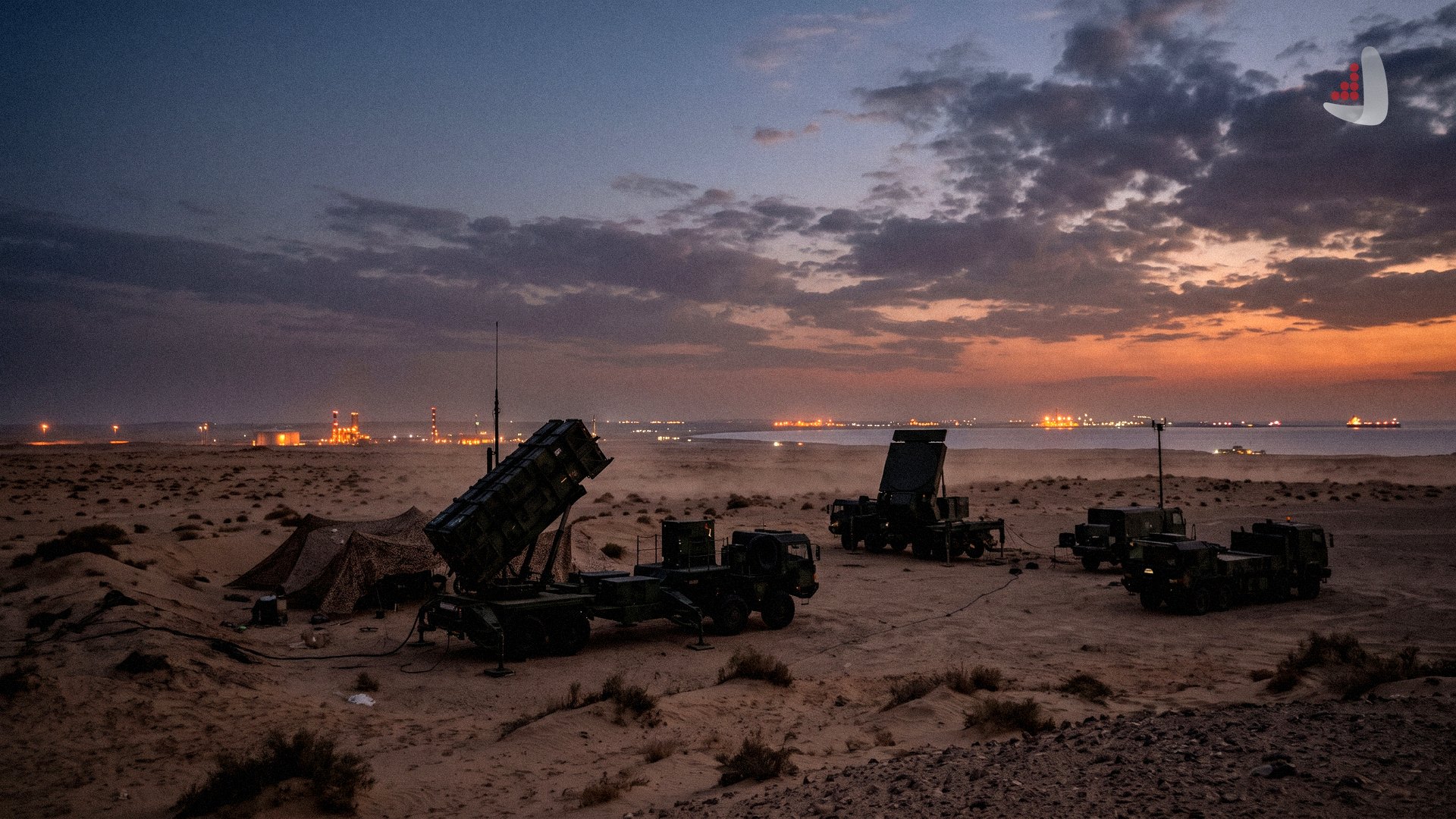
In response, Saudi Arabia faces a difficult dilemma in containing this threat. The doubling of Ansarallah strikes in early October risks depleting Saudi interceptor missile stocks—already strained during the wider Iran war—making sustained air defense dependent on foreign assistance. Meanwhile, airstrikes cannot completely destroy mobile launchers and dispersed workshops, and localizing weapons manufacturing enables Ansarallah to preserve both its arsenal and its political leverage./ Source