Israel's continued occupation of southern Lebanon and the diplomatic deadlock have set the stage for Hezbollah to rebuild its arsenal and potentially reopen the northern front.
According to Atlas Diplomacy, an analysis titled "Israel's Occupation and Hezbollah's Military Reconstitution: Is a New War Looming?" by Dario Sabaghi has been published in The New Arab. Examining the seizure of a Hezbollah explosives shipment alongside Israel's ongoing occupation and daily strikes in southern Lebanon, the analysis explores the resistance movement's military reconstitution and the potential linkage of the Lebanese front to a renewed U.S.-Israeli conflict with Iran. A summary of the piece follows below.
The seizure of a van carrying 780 kilograms of TNT and C-4 explosives at the Dahr al-Baydar checkpoint on October 5 reignited internal debate in Lebanon over Hezbollah's arsenal. While political rivals such as Samir Geagea and Samy Gemayel claimed the shipment was intended for domestic political assassinations, Hezbollah MP Hassan Fadlallah rejected those allegations on October 15, emphasizing that the materials are part of the resistance's defensive capabilities against Israel and demanding their return—a demand met by a phone call from U.S. Secretary of State Marco Rubio pressuring Lebanese President Joseph Aoun not to hand over the cargo.
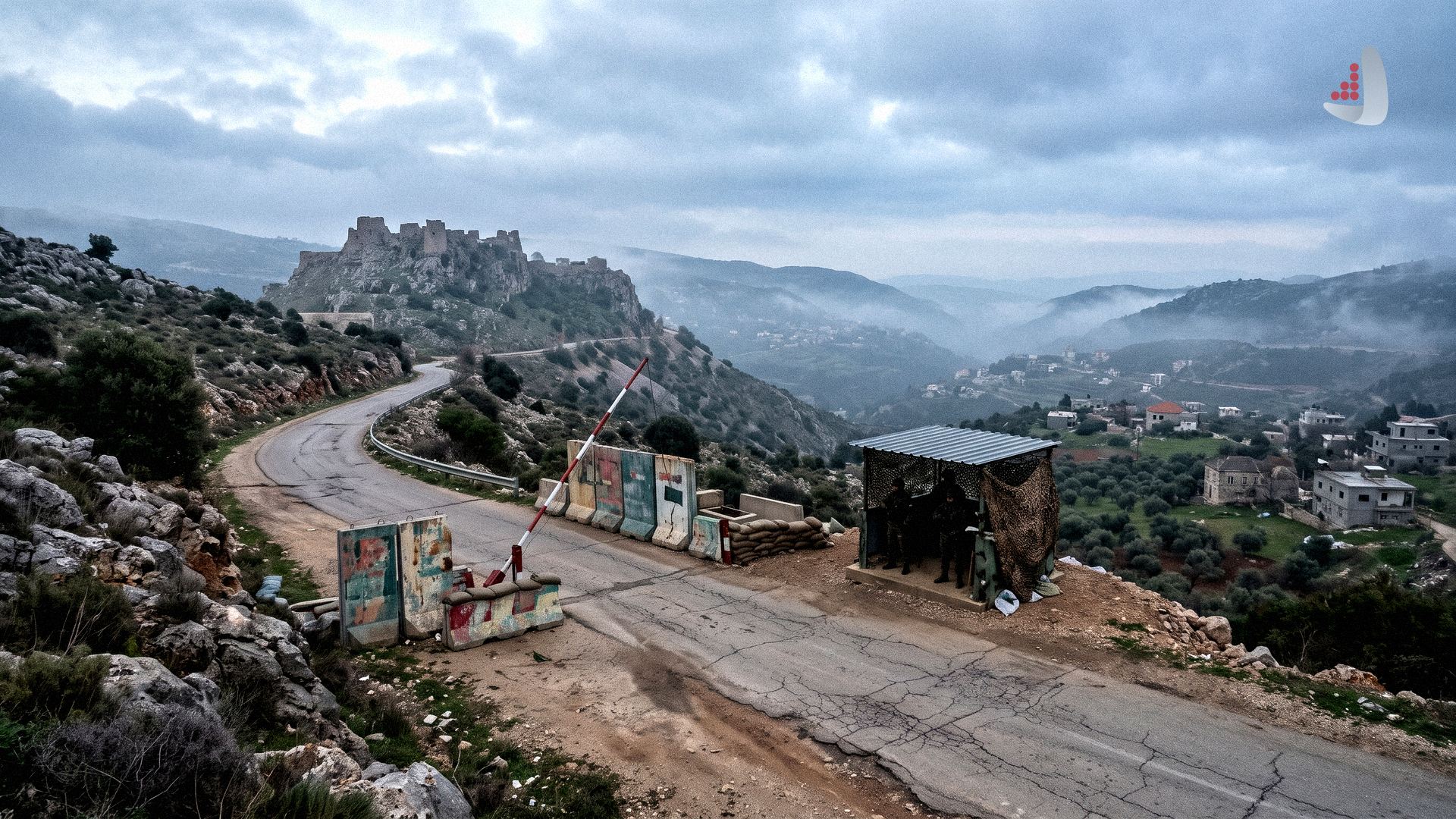
Hezbollah's effort to replenish its weapons stockpiles comes as the U.S.-brokered June ceasefire remains deadlocked due to Israel's refusal to make concessions. The Israeli military still occupies more than 600 square kilometers (over 10 percent of Lebanese territory), has leveled 48 out of 60 occupied villages, and in September seized the strategic Ali al-Taher ridge near Nabatieh after capturing Beaufort Castle and crossing the Litani River. Since Hezbollah entered the wider U.S.-Iran war on March 2, more than 4,300 Lebanese have been killed and around 330,000 remain displaced.
Crisis analysts argue that Israel's refusal to halt daily attacks and its obstruction of reconstruction south of the Litani River effectively reinforce Hezbollah's argument that retaining its weapons is necessary to defend Lebanon and the Shia community. While the Lebanese government cannot disarm the resistance without guarantees of an Israeli withdrawal and the release of detainees, Israeli Defense Minister Israel Katz has threatened that if Hezbollah joins Iran again, the Nabatieh and Litani areas will be permanently annexed into Israel's occupation zone.
Operationally, just as it rebuilt its command structure with IRGC assistance between the November 2024 ceasefire and March 2026, Hezbollah is once again focused on restoring its deterrence capacity. The seized explosives can be used in missile warheads, roadside bombs, and fiber-optic-guided first-person-view (FPV) suicide drones—cheap, precise weapons that are difficult to intercept and whose dual-use components can be sourced through commercial channels. The presence of Israeli troops on Lebanese soil gives Hezbollah units the opportunity to wage guerrilla warfare and conduct drone strikes—which previously killed at least 12 Israeli soldiers—to wear down the occupying military.
The prospect of Lebanon returning to all-out war is tied to Donald Trump's decision on whether to resume strikes against Iran. If Tehran can absorb a new wave of U.S. and Israeli attacks on its own, it may not see a need to fully activate Hezbollah; however, if increasing pressure on Tel Aviv becomes necessary, reopening the northern front would stretch Israel's military resources and serve as leverage in regional negotiations to compel an Israeli withdrawal from southern Lebanon./ Source