After nine months of inconclusive war, Donald Trump is caught between a high-risk escalation of military strikes against Iran and accepting inevitable coexistence with Tehran.
According to Atlas Diplomacy, an analysis titled "The White House's Strategic Deadlock: Will the United States Attack Iran After the Midterms?" by James M. Lindsay has been published by the Council on Foreign Relations. Examining the U.S. military buildup in the Middle East and the failure of Operation "Epic Fury" to achieve a political victory, the analysis evaluates the three options facing the Trump administration after the November 3 elections and the heavy consequences of each. A summary of the piece follows below.
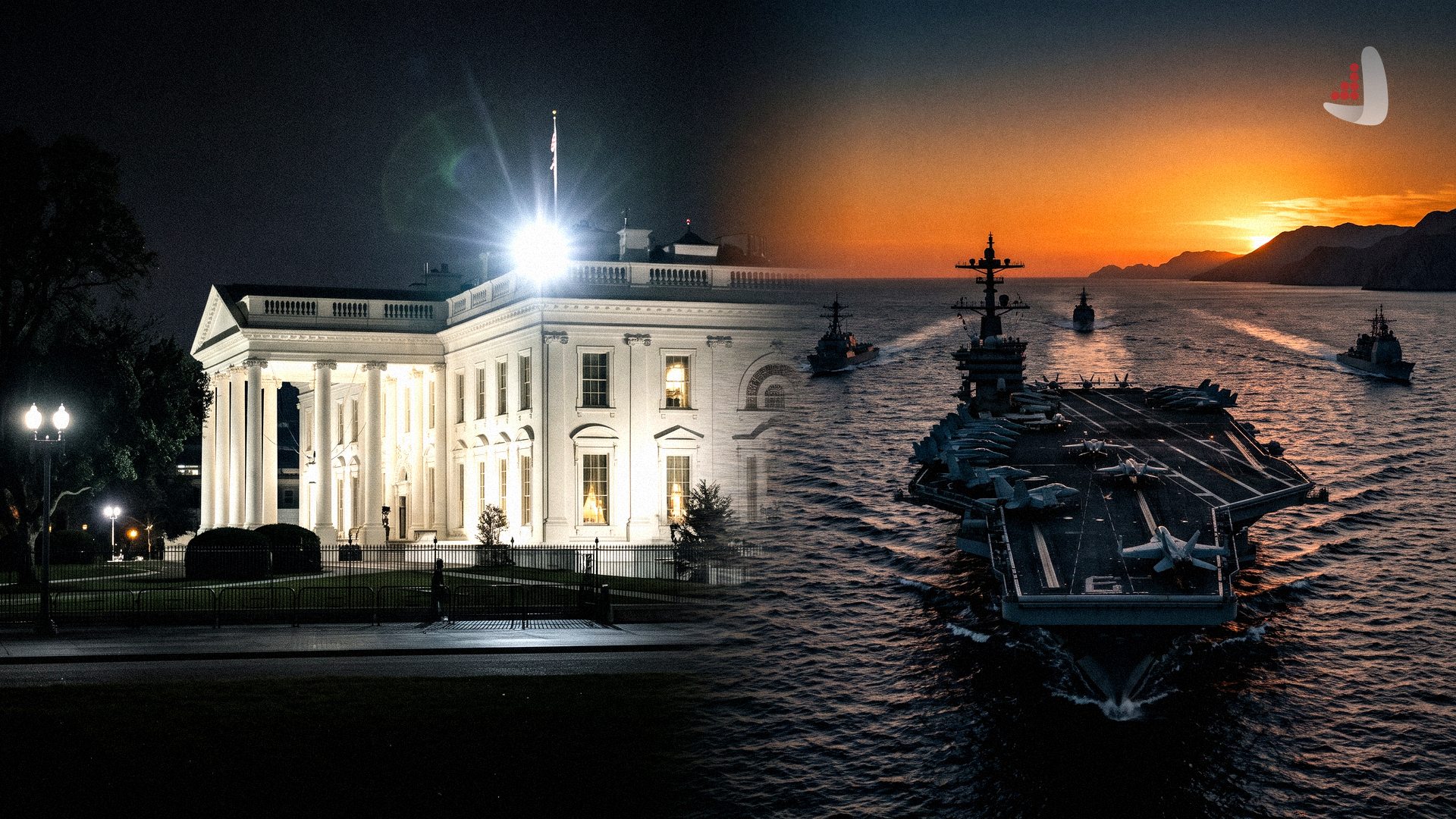
As the November 3 congressional midterm elections approach, speculation over the resumption of U.S. military operations against Iran has intensified. To contain the electoral fallout, Donald Trump has ruled out any strike prior to the vote; only one-third of Americans support the war with Iran, and surging gasoline and diesel prices have turned the cost-of-living crisis into an Achilles' heel for Republicans. Nevertheless, the deployment of three of America's eleven aircraft carrier strike groups to the region, the Pentagon's directive to CENTCOM to complete combat readiness preparations, and Benjamin Netanyahu's remarks that Washington is ready to "finish the job" indicate that domestic political constraints on the White House will ease after the elections.
Despite the heavy damage inflicted by the U.S. military on Iran's military and economic infrastructure during the opening phase of Operation "Epic Fury," Washington has failed to translate those tactical gains into a diplomatic victory or Tehran's capitulation. The two countries are now locked in a war of attrition, leaving the White House with three primary options after the elections: escalating military strikes and economic pressure once again, focusing on negotiations backed by the threat of force, or maintaining the status quo in hopes of internal erosion inside Iran.
The option of resuming the war faces two fundamental doubts: first, why would a new round of strikes bring about regime collapse or Tehran's surrender when Operation "Epic Fury" failed to achieve that goal? Second, the United States cannot prevent retaliatory Iranian strikes on Persian Gulf energy facilities, and the survival of the Iranian government alongside disruptions to oil and gas production would send energy prices soaring and trigger a global recession. Furthermore, sanctioning China over Iranian oil purchases could, as U.S. Treasury Secretary Scott Bessent admitted, "blow up the global financial system" and prompt Beijing to cut off exports of critical minerals to the United States.
The negotiation option also holds little promise, as Tehran has shown no willingness to accept Washington's terms and views a potential Democratic victory in Congress as a factor that will weaken Trump and strengthen its own bargaining hand. Meanwhile, maintaining the status quo is equally unsustainable; the "Operation Economic Outcast" sanctions campaign has failed to spark unrest in Iran, where the public is hunkering down and enduring. Moreover, the naval blockade of Iran in the Strait of Hormuz has failed to lower global energy prices due to high tanker insurance costs, and U.S. Indo-Pacific Command (PACOM) and European Command (EUCOM) have complained that the operation is draining their military resources.
While Iran uses the respite in fighting to rebuild its military capabilities and U.S. bases in the Persian Gulf have turned from an asset into a vulnerability, the final decision comes down to a fundamental question: Is Washington willing to accept coexistence with the Islamic Republic? Because the Iranian threat to the United States is not existential and the American public is unwilling to pay the astronomical costs of toppling Iran's government, Washington is compelled to seek a way to manage tensions and halt attacks on shipping./ Source