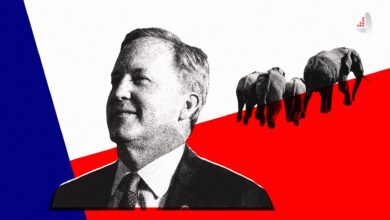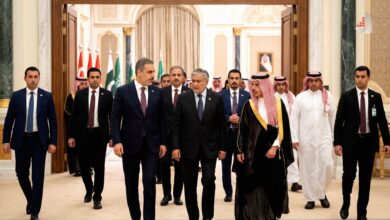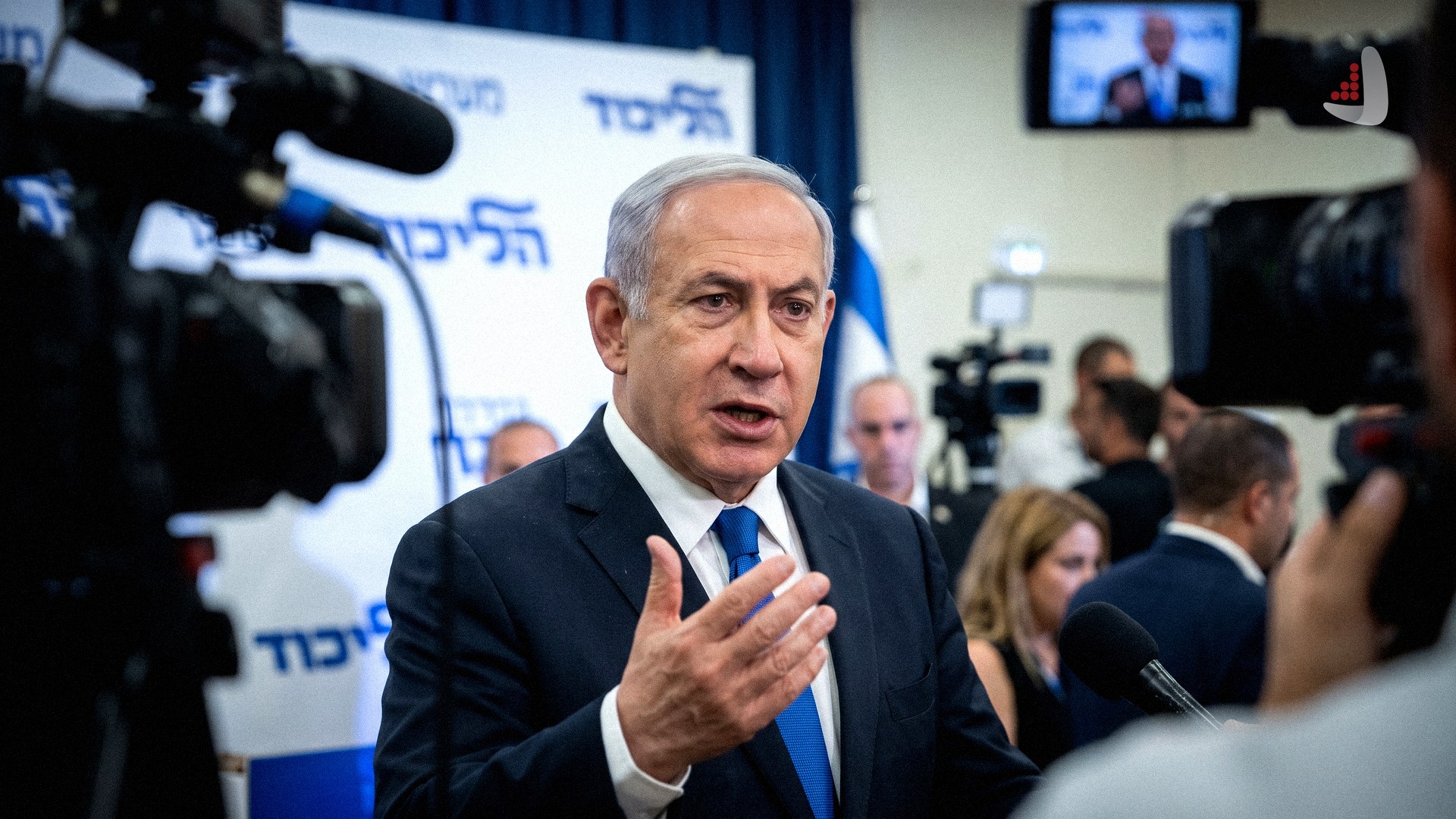
Despite direct responsibility for the October 7 failure and wars of attrition, Netanyahu remains on Israel’s political stage by relying on the politics of fear.
According to Diplomacy Atlas, an opinion piece titled "Netanyahu’s Destructive Legacy: A Prime Minister Who Clings to Power Through Fear" by Nehemia Shtrasler has been published in Haaretz. In his final column after 44 years at Haaretz, the veteran journalist analyzes the results of Israel's recent election and warns against Benjamin Netanyahu’s efforts to start a war with Iran in order to form an emergency government and retain power. Below is a summary of the piece.
The release of initial exit poll results on Tuesday night brought deep shock and disappointment. The results showed that a prime minister who helped fund Hamas, bore direct responsibility for the October 7 disaster, led Israel into three years of endless wars of attrition, abandoned the hostages, failed to eliminate the Iranian nuclear threat, and turned Israel into an international pariah won more parliamentary seats than the "Yashar" party led by Gadi Eisenkot.
As the results became clearer overnight, it emerged that the bloc supporting Benjamin Netanyahu had secured more seats than the "change" bloc led by Eisenkot. Despite massive efforts, the opposition failed to attract Likud voters because Netanyahu successfully sowed existential fear in society—convincing voters that if he were removed from power, Israel would be destroyed due to economic sanctions, the termination of US military aid, or an Iranian nuclear strike.
Nevertheless, despite deploying the politics of fear, Netanyahu failed to win enough Knesset seats to form a government. Under such circumstances, he must not be allowed to manufacture a crisis atmosphere by launching a new war against Iran in order to remain in office under the pretext of a national emergency government.
This political reality stands in stark contrast to the trajectory Israel's economic sector has followed over the past four decades. In the early 1980s, Israel's economy had a socialist, closed, and backward structure completely controlled by the government, the "Histadrut" labor federation, and major banks. Large monopolies, heavy import barriers, severe budget deficits, and hyperinflation kept living standards low and generated recurring economic crises.
Over the past 44 years, following sustained media and economic campaigns against wasteful government spending, cartels, and import monopolies, alongside efforts to liberalize capital and foreign exchange markets, Israel's economy gradually transformed into a modern, free-market system. Over the past three years, however, the primary crisis has shifted from the economic sphere to the political arena and the record of a prime minister who bears direct responsibility for recent security catastrophes./ Source