The U.S. sanctions waiver for Russian diesel imports undermines Western pressure on Moscow while doing little to lower domestic fuel prices.
According to Atlas Diplomacy, an analysis titled “Behind Trump and Putin’s Diesel Deal Ahead of the U.S. Midterm Elections” by Mary Kate Godfrey has been published in the Council on Foreign Relations. The analysis shows that Donald Trump’s sudden decision to purchase diesel from Russia aims to curb domestic inflation before the November elections, but has created a deep rift between Washington, Kyiv, and European allies. Below is a summary of the piece.
On October 9, 2026, Donald Trump announced a deal with Vladimir Putin to purchase diesel from Russia, and the U.S. Treasury Department suspended related sanctions until April 2027. Under the agreement, Moscow pledged to immediately supply more than 300,000 tons (2.25 million barrels) of diesel to U.S. and global markets, followed by 500,000 tons in November and one million tons thereafter, with another three million tons to be released depending on refinery capacity.
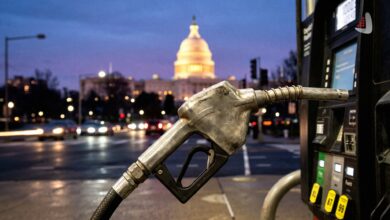
The White House’s primary motive for this policy pivot is to rein in fuel prices ahead of the November 3 midterm elections. Following the outbreak of the Iran war and intensified Ukrainian strikes on Russian refineries, average U.S. diesel prices surged from $3.48 per gallon at the start of 2026 to a peak of $6.53 on September 21 and $6.18 on October 12, pushing annual inflation to 3.7 percent. Yet data from Kpler indicates the global market faces a daily deficit of roughly 130,000 tons (one million barrels), meaning the 300,000 tons scheduled for this month will cover only three-quarters of a single day’s U.S. consumption.
This unilateral move undermines the West’s multi-year economic pressure campaign against the Kremlin and conflicts with U.S. domestic law. On October 16, Trump signed an executive order exempting Russia from key sanctions and tariffs under new congressional legislation—sparking bipartisan backlash from 12 senators and 22 House members, since lifting the 2022 ban on Russian fuel imports legally requires a ceasefire and Russian troop withdrawal from Ukraine.
Internationally, the deal has delivered a major shock to Kyiv and Brussels. Washington has demanded that Ukraine halt its effective strikes on Russian energy infrastructure, amid reports of threats to withhold weapons and intelligence sharing. In contrast, the European Union adopted its largest sanctions package on October 12—adding nearly 1,600 new listings targeting Russia’s military-industrial complex—underscoring that Europe can no longer rely on Washington to contain Moscow./ Source