Lula da Silva’s unexpected runoff victory in Brazil derails Washington’s push for a right-wing hemisphere while strengthening the position of China and BRICS.
According to Atlas Diplomacy, an analysis titled “Lula’s Return to Power in Brazil: A Setback for Trump’s Regional Agenda and a Boost for Beijing” by Christopher Sabatini, Bruno Binetti, Vanessa Rubio-Márquez, and Luis Miguel Castilla has been published by Chatham House. The authors examine the implications of Lula’s victory over Flávio Bolsonaro for Brazil’s relations with the United States and China, the trajectory of democracy in Latin America, and the country’s sovereign debt challenges. Below is a summary of the piece.
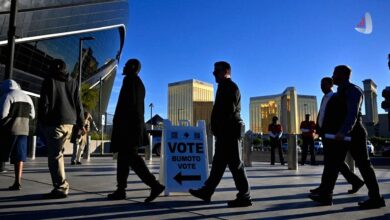
Luiz Inácio Lula da Silva secured a fourth term as president of Brazil with 51.79 percent of the vote against 48.21 percent for Flávio Bolsonaro. The comeback victory came after Bolsonaro led in the first round on October 4, and the defeated candidate has refused to concede, calling for the annulment of the election after the Supreme Court extended voting hours by two hours on Sunday due to heavy rains. While the leaders of France, India, and Canada—as well as conservative presidents in Peru, Ecuador, Chile, and Paraguay—quickly congratulated Lula, the Donald Trump administration and Argentina’s Javier Milei withheld congratulations.
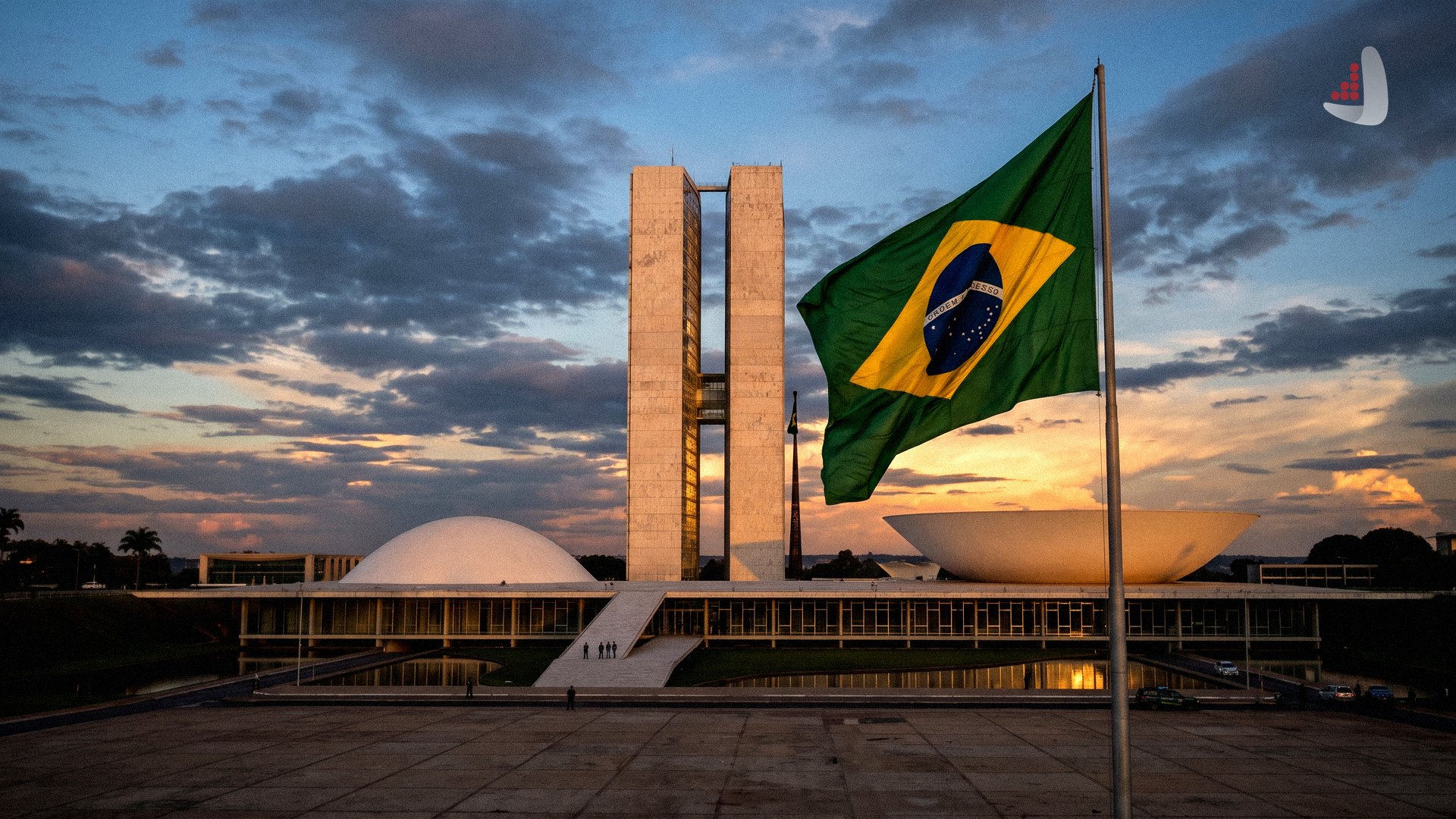
Washington had counted on a Bolsonaro victory to add Latin America’s largest democracy and economy to a ring of right-wing governments aligned with the “Donroe Doctrine” and Secretary of State Marco Rubio’s anti-communist agenda. Instead, the re-election of Lula—who campaigned on the message that Brazil is “nobody’s backyard”—is a major win for Beijing. China has been Brazil’s largest trading partner since 2009, with Brazilian exports to China reaching $100 billion in 2025 compared to $38 billion to the United States. Brazil was also the world’s largest recipient of Chinese foreign investment in 2025 across electricity infrastructure, mining, and electric vehicle manufacturing (including BYD and Great Wall Motor), while partnering with Beijing within BRICS to reduce reliance on the US dollar.
Politically, Lula’s victory highlights that traditional left-right boundaries in Latin America have blurred, and the defining divide now lies between governments that preserve democratic institutions and those willing to weaken them for political gain. Domestically, however, Lula faces a Congress controlled by the right and the “Centrão” bloc—which holds over 170 seats—while barely 10 percent of the federal budget is discretionary.
Fiscal rigidities will make it difficult for Lula to deliver on his promised social spending. Brazil’s interest payments reached 8.05 percent of GDP in 2025, and gross public debt—projected by authorities to hit 86.6 percent of GDP this year and 94.1 percent by 2030, while already exceeding 97 percent under the IMF’s broader measure—continues to mount. With real interest rates near 9.5 percent and economic growth forecast at around 2 percent, shifting the central government’s primary balance from a 0.2 percent deficit in 2026 to a 0.1 percent surplus in 2027 will be impossible without reaching an accommodation with Congress on tax reforms and spending restraint./ Source