Military conflict in the Persian Gulf has delivered a costly shock to global energy markets, supply chains, and the strategic trust of Washington’s allies.
According to Diplomacy Atlas, a research paper titled "The Widening Geography of US-Iran War Costs: From Hormuz to Europe and Asia" by Ferid Belhaj has been published by the Middle East Institute. This study argues that while the decision to initiate war is made by military powers, its heavy economic and inflationary burden falls on countries and citizens who had no role in starting the conflict. Below is a summary of the piece.
Wars are initiated by those who hold military power, yet their costs are increasingly borne by actors and societies that had no part in wartime decision-making. The military confrontation between the United States and Iran has exposed this imbalance in the clearest terms, demonstrating that in today’s interconnected economy, war decisions remain national, while their economic consequences no longer stay within national borders.
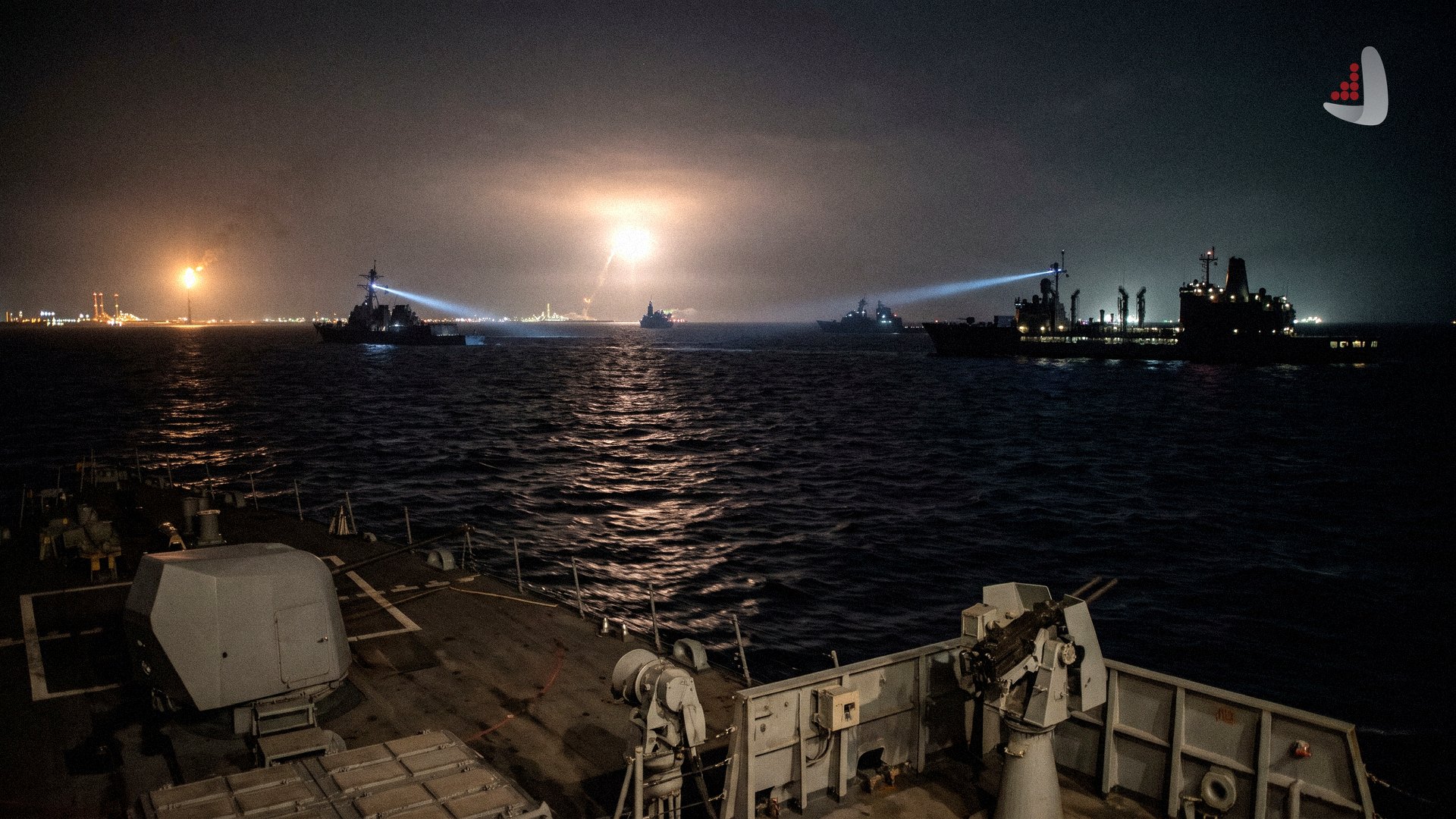
The epicenter of this crisis is the Strait of Hormuz, a waterway through which roughly one-fifth of the world's oil, more than one-fourth of liquefied natural gas (LNG), and one-third of the global fertilizer trade passed prior to the war. Following the outbreak of hostilities in late February, shipping traffic nearly ground to a halt, and with the resumption of strikes in October, crude oil exports through this corridor dropped to approximately 10.1 million barrels per day—74 percent of pre-war levels. Damage to production facilities and maritime insecurity have turned the war into a global shock across energy, shipping, and supply chains.
The distribution of these losses worldwide has been highly uneven. Europe, which had become more reliant on the global gas market by building LNG terminals after previous crises, once again found itself vulnerable to disruptions in the Strait of Hormuz, with the International Monetary Fund estimating the cumulative cost of this shock at around 0.5 percent of eurozone GDP over two years. While wealthier European nations experience this crisis through higher inflation and interest-rate dilemmas, low-income countries in South Asia and Africa face severe shortages in fuel and fertilizer supplies. Meanwhile, China has sought to weather the worst price spikes by drawing on strategic reserves and adjusting its purchasing patterns.
Despite its relative energy independence, the United States has not been immune to the domestic fallout of this war. While US shale producers and LNG exporters have profited from surging prices, ordinary American citizens, borrowers, and taxpayers are paying the price through higher diesel costs, rising freight rates, and inflationary pressures—an issue that has become a direct political challenge for Washington. On the other side, Iran’s economy, which was already grappling with inflation above 46 percent in February and currency depreciation before the war, now faces infrastructure destruction and an estimated $270 billion in damages from the first forty days of fighting alone.
Ultimately, even if oil wells are repaired and maritime trade returns to normal, rebuilding trust in existing security and political arrangements will be exceedingly difficult. Imposing uninvited costs on partners who were not consulted before the war began is pushing Persian Gulf states toward supplementary security arrangements and driving Europe toward a more serious pursuit of strategic autonomy. Military power still determines who can start a war, but it can no longer dictate who pays the bill./ Source