The opening of the Dakar 2026 Youth Olympic Games in Senegal highlights how joint infrastructure projects translate into lasting development capacity.
According to Atlas Diplomacy, an opinion piece titled "Africa's Olympic Debut Built on the Foundation of China-Africa Infrastructure Cooperation" has been published in Global Times. Marking the opening of the 2026 Youth Olympic Games in Dakar, the piece argues that the participation of Chinese enterprises in renovating and expanding key sporting venues demonstrates how South-South cooperation transforms development aspirations into tangible public goods. Below is an abstract of the piece.
On October 31, the Dakar 2026 Youth Olympic Games opened in Senegal, marking the first time in history that the African continent has hosted an Olympic sporting event—a milestone International Olympic Committee President Kirsty Coventry described as a historic moment for both Senegal and Africa. Behind the ceremonies and athletic competitions, however, hosting a major international event serves as a concentrated test of urban and sporting infrastructure.
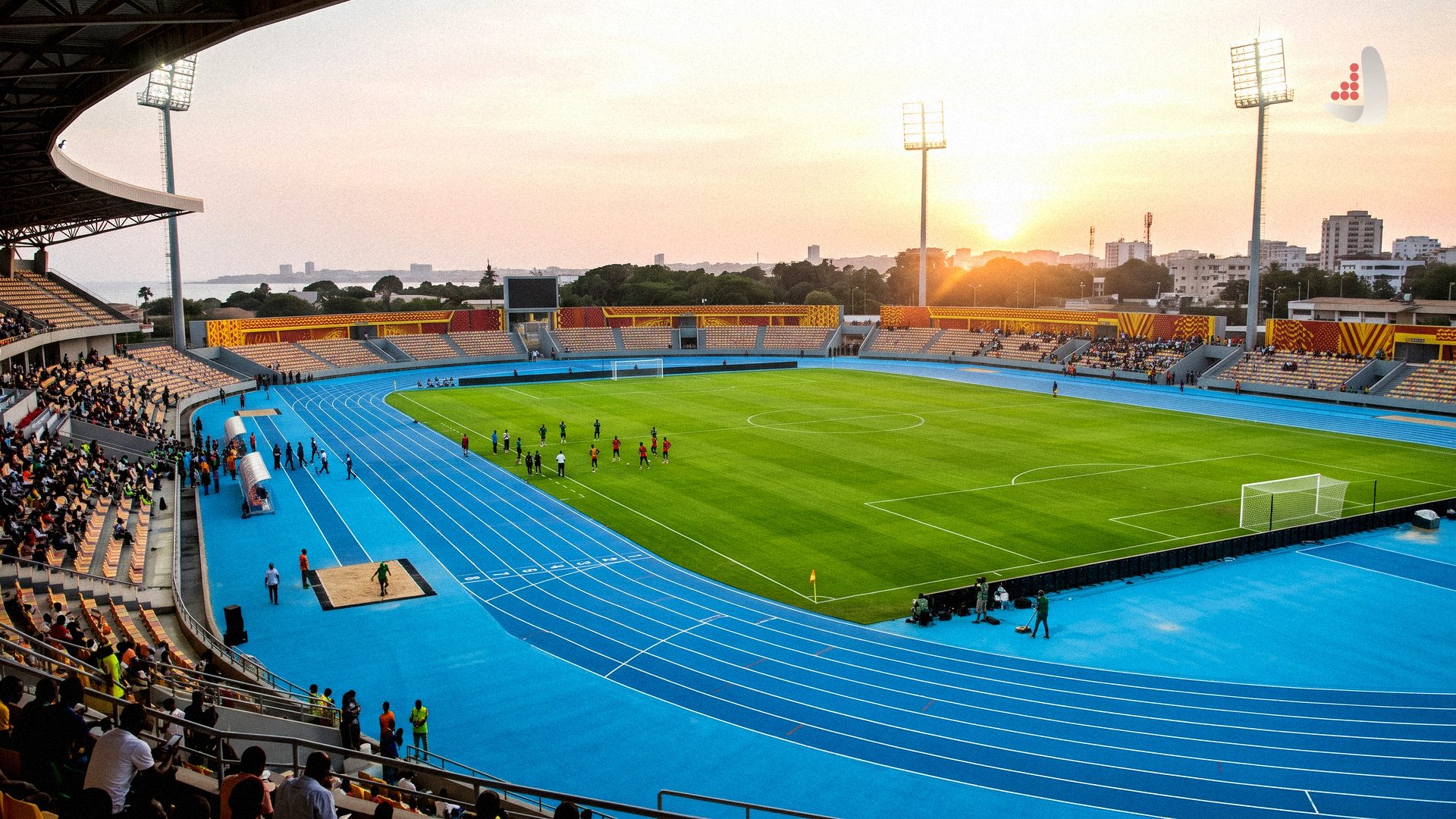
China Civil Engineering Construction Corporation (CCECC) undertook the renovation and expansion of Iba Mar Diop Stadium, one of the primary venues for the Games. The project encompasses an 8,000-seat football stadium, an international-standard athletics track, an indoor handball hall, a multipurpose gymnasium, and supporting facilities, placing joint China-Africa cooperation at the foundation of Africa's Olympic debut.
China's role in Dakar is not to host the Games on Africa's behalf, but to stand alongside Senegal and Africa as a development partner. Just as China-Africa cooperation has long been visible in railways, ports, and highways, sports infrastructure follows the same logic by turning development goals into accessible public goods. For local youth, an international-standard running track or modern stadium offers a far more concrete benefit than abstract rhetoric.
Constructing the venues is only the first step; the lasting test lies in how these facilities are operated and integrated into the community after the Games conclude. Following the Youth Olympics, the venues will remain open to local athletes and young people, supporting sports training and the local event economy while converting physical hardware into long-term development dividends.
The next phase of China-Africa cooperation must focus not merely on turnkey project delivery, but on leaving behind enduring local capacity and stimulating surrounding regional development. The opening of the Dakar Games illustrates how a partnership grounded in mutual consultation, joint contribution, and shared benefits continues to advance modernization step by step across the Global South./ Source