Examining the Intelligent Logic of the Islamic Republic of Iran’s Economic Deterrence in the Face of Recent U.S. Threats
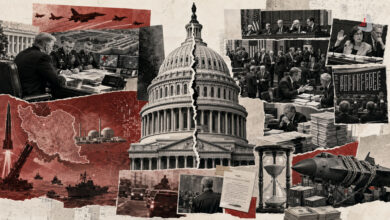
The wise and resolute warning issued by the Supreme Leader—stating that any attack would be transformed into a “full-scale regional war”—may, in the eyes of superficial analysts, appear to be merely a defensive reaction or a political declaration. Yet a deeper examination of this statement through the lens of advanced defense and national security theories reveals a far more profound reality. This warning was a calculated and intelligent strategic initiative that skillfully shifted the center of gravity of the threat from the narrow battlefield of limited military confrontation to the far broader arena of the global economy and energy security. By doing so, it effectively wrested the initiative from the hands of American warmongers. This firm and dignified stance was adopted at a moment when the U.S. war apparatus, after exploiting certain domestic incidents in Iran through media manipulation, once again resorted to the language of threats against the Iranian nation. This analysis argues that Iran’s warning of a “regional war” was far more than a political response; it was, in essence, the manifestation of a deep and calculated economic-security strategy that targeted the vulnerable points of the Western economy and America’s regional allies, thereby rendering any military action by the adversary both impossible and unjustifiable.
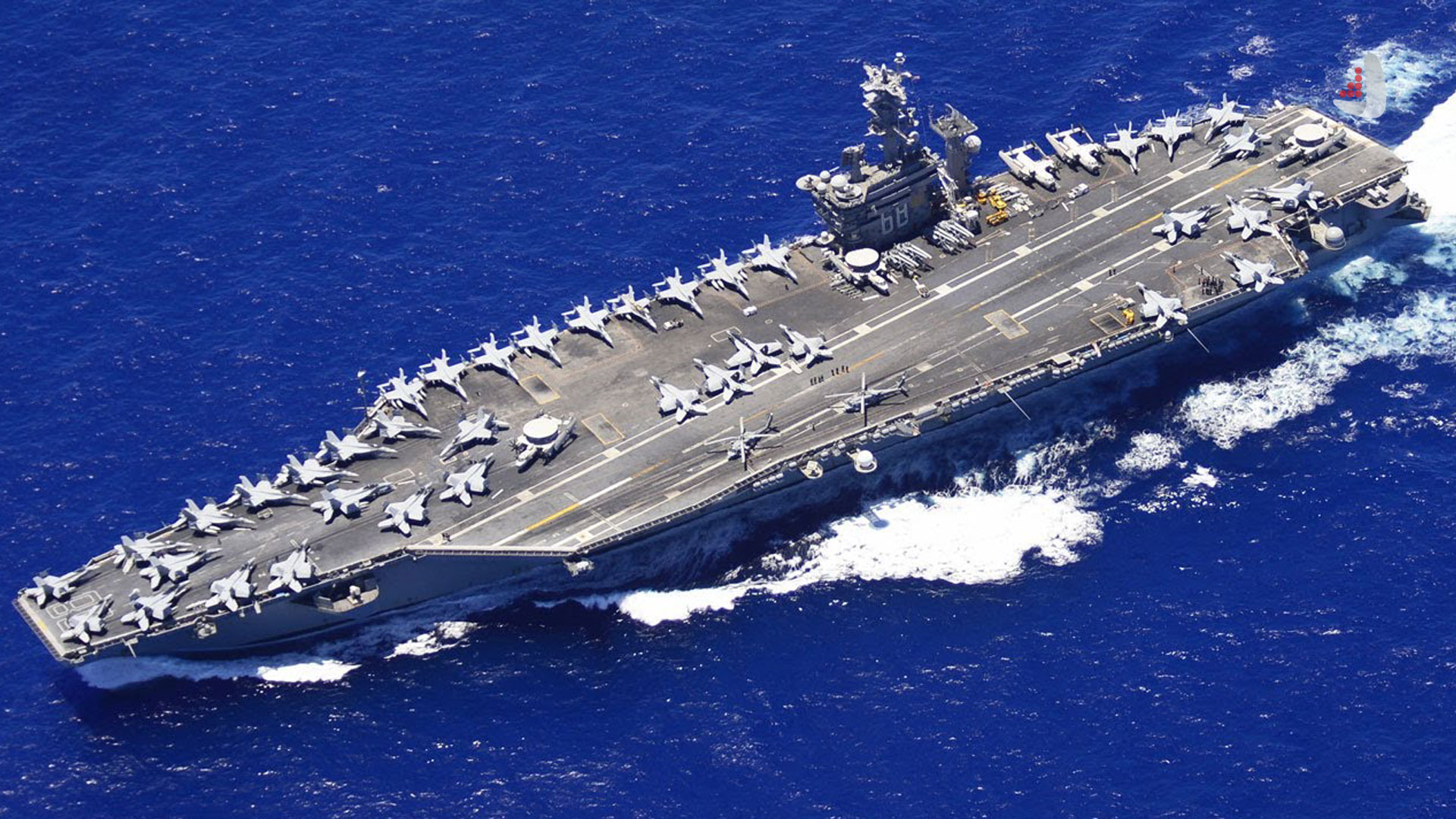
Iran’s warning of a regional war was not a passive reaction, but a deliberate and intelligent initiative that transferred the center of gravity from the military domain to the global economic arena, depriving Washington of the initiative. This approach represents the practical embodiment of the key principle of “smart defense,” which emphasizes the exponential increase in the costs imposed on an aggressor. When the Leader of the Revolution declares that “no war will remain limited,” he is outlining a clear equation for Washington: the cost of attacking Iran is no longer merely a calculation of fighter jets and missiles; it now includes the paralysis of the world’s vital energy arteries and the destruction of the economic achievements of America’s regional allies. This deep and forward-looking understanding created a powerful, multilayered deterrent that forced the United States, for the first time, to reassess the consequences of a strategic miscalculation through the ledgers of its own capitalist backers.
Among all these calculations, no factor played a more decisive role than the structural dependence of the Western economy on the uninterrupted flow of energy. Washington can never control the devastating consequences of closing the Strait of Hormuz—the vital artery through which roughly one-third of the world’s seaborne oil passes. Analysts warn that any disruption to this waterway could overnight push oil prices to the range of $150–$200 per barrel, triggering a wave of runaway inflation and recession in Europe and even in the United States itself. It was here that Iran’s warning delivered a decisive blow to the short-sighted calculations of American policymakers. A sudden energy shock would shatter their economic promises before the eyes of their own voters. Some claim that the United States benefits from higher oil prices, but this argument is superficial. First, the U.S. economy and its European allies remain highly sensitive to global oil prices. Second, predictability and stability are the governing principles of global capitalism, and the instability generated by an energy shock is far more destructive than any temporary profit. Thus, Iran’s warning exposed the fundamental contradiction between America’s “military posturing” and the West’s “economic reality.”
Iran’s warning of a regional war disrupted calculations not only in Western capitals, but also placed a tangible threat before America’s vital yet vulnerable regional allies. Countries such as the United Arab Emirates and Saudi Arabia—states that have invested massively for decades to transform themselves into economic, financial, and tourism hubs of the Arab world—clearly realized that the outbreak of war would jeopardize all these achievements overnight. Their economies are heavily dependent on the continuous flow of capital, international trade, and the image of being a “safe haven.” Even the mere threat of war could trigger capital flight, contract cancellations, and a collapse in tourism, placing ambitious projects such as Saudi Arabia’s Vision 2030 before an existential challenge. This harsh economic reality compelled these countries—contrary to Washington’s expectations—to explicitly refuse to provide territory, airspace, or any form of logistical support for an attack on Iran. This refusal was not merely an operational obstacle; it represented a strategic failure for U.S. diplomacy in the region and a clear victory for the Islamic Republic of Iran’s active, economically realist diplomacy. It demonstrated unmistakably that Washington’s policy of “maximum pressure” had failed to secure a level of loyalty from its allies sufficient for them to sacrifice their vital economic interests for America’s war-driven objectives.
Within this deterrent equation, the Zionist regime, as America’s primary regional linchpin, itself became a major point of vulnerability. At the height of U.S. threats, this regime was entangled in the most expensive and longest war in its history in Gaza—a war that, according to initial estimates, had inflicted tens of billions of dollars in damage on its economy and driven away foreign investors. Expanding the conflict into a new, full-scale war would have meant certain economic collapse for the regime. Washington is fully aware that its principal regional ally cannot bear the costs of such a war. Consequently, any move toward attacking Iran would have faced not only opposition from Arab allies, but also serious constraints from its most important military partner. This reality severely restricted Washington’s room for maneuver and placed the war-mongering claims of hardline factions in direct conflict with the objective economic realities of that regime.
In sum, the Islamic Republic of Iran’s strategic warning that any attack would result in a regional war stands as a striking example of intelligent deterrence grounded in economic calculation. This warning transformed the U.S. military threat from a simple arms-based calculation into a complex equation that targeted three pillars of Western political economy: global energy stability, investment security in the Persian Gulf, and the economic resilience of America’s key regional ally. The outcome of this new calculation for Washington was clear: the cost of a military adventure—whether in terms of domestic economic shock, regional political isolation, or pressure on an ally already on the brink of economic collapse—far outweighed any vague and uncertain gains. Thus, this threat was not merely a defensive act, but an offensive initiative in the realm of economic warfare that neutralized the enemy’s will at its inception. This success once again underscores the validity of the logic of “active resistance” and the strategic vigilance of the Islamic Republic, which secures national security not through blind reactions, but through the intelligent transformation of the battlefield and the adversary’s own calculations.