Simultaneous U.S. violations are threatening both the implementation of the Islamabad Understanding and the path toward a final agreement.
According to Atlas Diplomacy, a report titled “Four Clauses, Four Disputes: Iran’s Evidence of U.S. Violations of the Islamabad Understanding,” written by the foreign policy correspondent of the Islamic Republic News Agency and published by the Islamic Republic News Agency (IRNA), compares the provisions of the Islamabad Understanding with developments during the three weeks following its signing. It examines Tehran’s legal case concerning simultaneous U.S. violations of its military, economic, and maritime commitments, as well as the consequences of those violations for the future of the negotiations. A summary of the report follows.
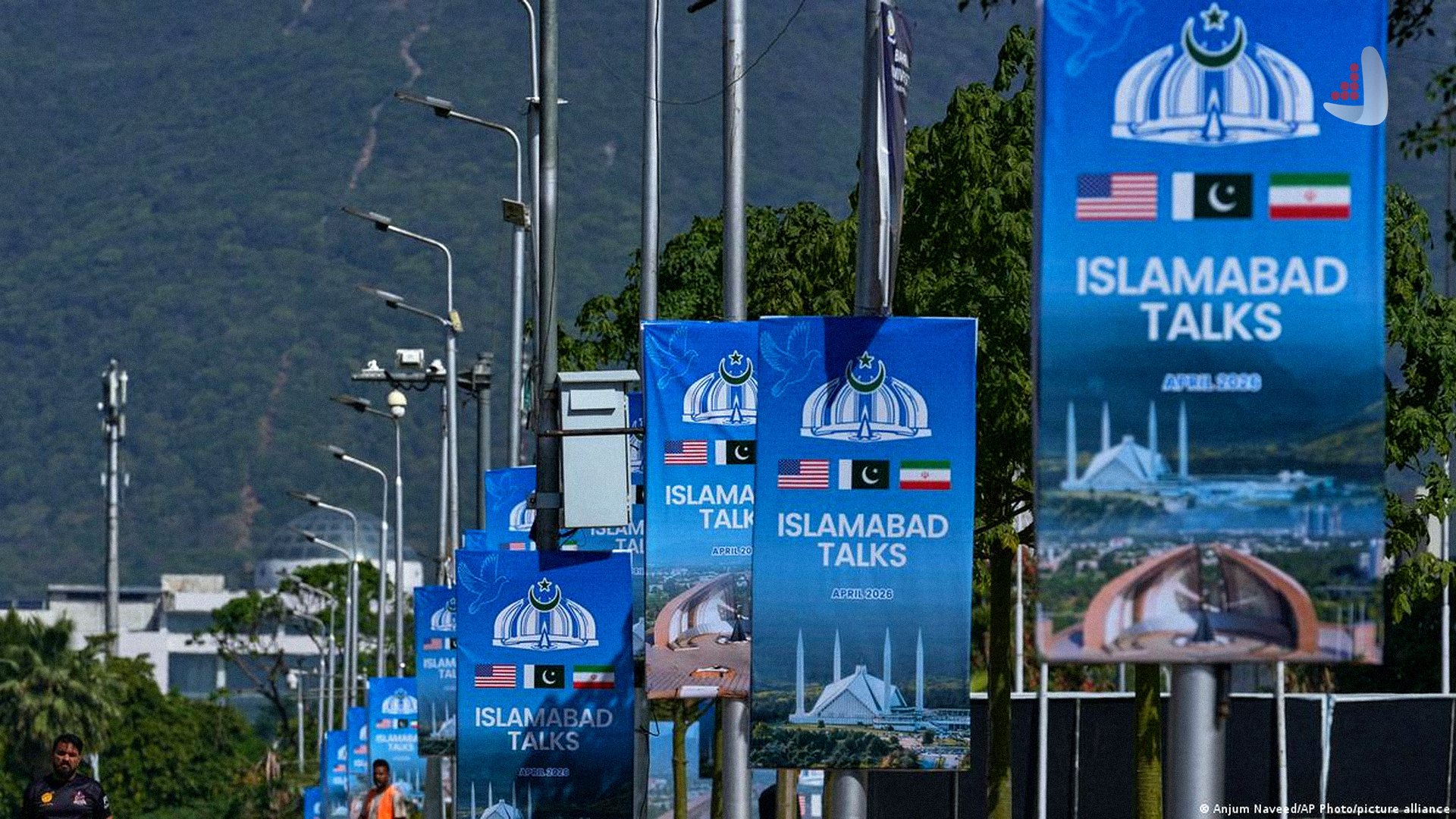
Less than three weeks after Iran and the United States signed the Islamabad Memorandum of Understanding, disagreements over its implementation have moved beyond political interpretation and developed into a series of legal, security, and economic claims. The document was intended to halt the military conflict, preserve the sanctions status quo, facilitate Iranian oil exports, and lay the groundwork for reaching a final agreement within a 60-day period. Developments following its signing, however, revealed that the two parties do not share the same understanding of either the scope or the binding nature of their commitments.
The first area of dispute concerns the clauses requiring an end to military operations and respect for sovereignty. From Tehran’s perspective, U.S. military attacks on areas in southern and eastern Iran on July 8 and 9 constitute a direct violation of the prohibition on the use of force and a disregard for the principle that the war must cease. The attacks have also been interpreted as a violation of Iran’s national sovereignty, providing the basis for the argument that Washington has abandoned not only the spirit of the understanding, but also its most important security commitment.
The second area concerns the revocation of the authorization for Iranian oil sales. Under the understanding, the United States was required to maintain authorizations covering oil exports, banking transactions, insurance, and related transportation services. Tehran views the revocation of that authorization on July 7, along with the imposition of a short deadline for winding down existing contracts, as a reversal of policy that directly contradicts Washington’s economic commitment. This development has weakened the economic component of the understanding and reduced Iran’s ability to obtain its immediate benefits.
The third dispute concerns the imposition of new sanctions. The clause requiring the preservation of the status quo prohibited Washington from introducing new restrictions or expanding its military presence in the region. From Iran’s perspective, the new sanctions demonstrate that, rather than stabilizing the environment for negotiations, the United States has reactivated its instruments of pressure. The fact that the sanctions were imposed alongside military attacks has reinforced the perception that these are not isolated violations and that several central components of the understanding have been undermined simultaneously.
The fourth area of dispute involves the arrangements governing the Strait of Hormuz. The understanding assigned Iran responsibility for regulating the safe passage of commercial vessels and for holding discussions with Oman concerning future maritime services. Tehran maintains that U.S. support for the passage of certain vessels outside the coordinated routes, together with unilateral actions in the waterway, has disrupted the implementation of this clause. From this perspective, the issue is not merely freedom of navigation; the extent of Iran’s authority to administer the agreed maritime arrangements has itself become a matter of contention. Taken together, these developments have strengthened Tehran’s argument for “commitment in return for commitment.” Under this principle, when one party fails to fulfill its security, economic, and political obligations, the other considers itself entitled to adopt proportionate measures. If this pattern continues, it could divert the 60-day negotiations from their intended course, destroy the limited trust established after the war, and return the crisis to the conditions that prevailed before the understanding. The document’s future now depends, above all, on both parties—and particularly the United States—returning in practice to the commitments set out in it