State election officials are resisting federal efforts to reshape voter rolls and influence the 2026 midterm elections.
According to Diplomacy Atlas, a note titled “State Officials Against Trump’s Efforts to Control the Midterms”, written by Barton Gellman and published by The New Yorker, examines the conflict between the Trump administration and state election authorities over voter-registration records, federal oversight, and electoral administration ahead of the November 3, 2026, midterm elections. The analysis highlights legal challenges, institutional resistance, and the potential consequences of federal intervention for electoral integrity and democratic governance. Below, you can read the abstract of this note.
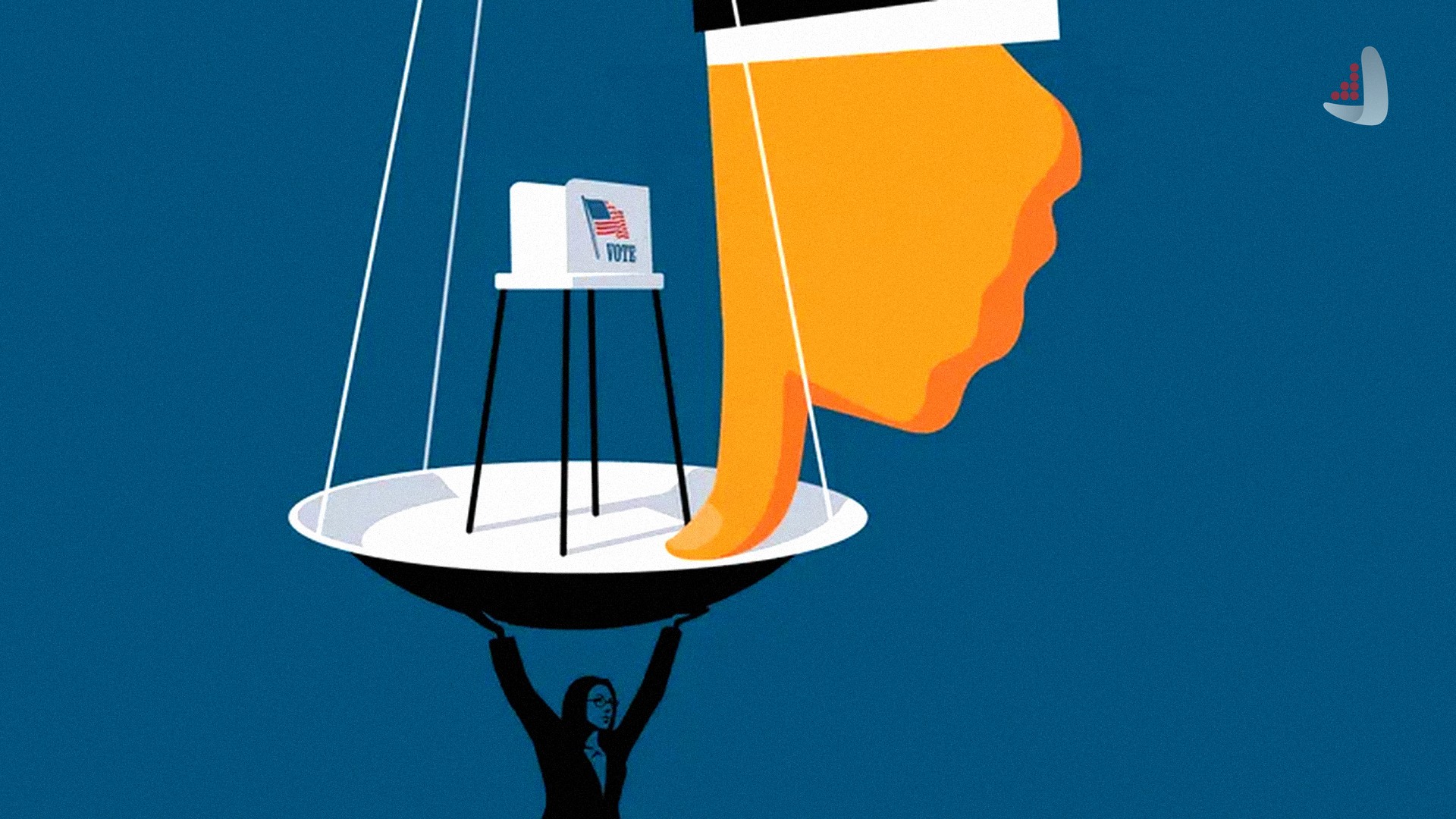
As the United States approaches the November 3, 2026, midterm elections, President Donald Trump’s administration has intensified efforts to influence election administration, particularly through access to state voter-registration records and the removal of individuals considered ineligible to vote. These efforts have generated a nationwide confrontation between federal authorities and state election officials, raising fundamental questions about constitutional authority, voter privacy, and the independence of electoral institutions. Deidre Henderson, Utah’s Republican lieutenant governor and chief election officer, has emerged as a prominent figure in the resistance.
Henderson’s opposition has exposed her to threats of sexual violence and murder from election conspiracy theorists. Similar intimidation affects election administrators nationwide: a recent survey found that approximately one-third of local officials had personally experienced threats, harassment, or abuse connected to their work. Federal pressure has added another dimension, with the Department of Justice (DOJ) warning election officials that refusing to surrender voter records could result in criminal prosecution.
The administration’s campaign began with executive orders seeking to tighten voter-registration requirements, change voting-machine standards, restrict mail-in ballots, and expand federal oversight. One order directed federal agencies to identify citizens eligible to vote, while another sought to impose new documentation requirements. Courts blocked the most consequential provisions, ruling primarily that the president lacked the authority to impose such changes unilaterally. Nevertheless, the DOJ pursued access to unredacted voter-registration lists through lawsuits against election officials in 30 states and the District of Columbia.
The legal campaign encountered substantial resistance. Twenty-seven federal district judges and one appellate panel ruled against the administration in the cases described, including the lawsuit against Henderson, which was dismissed on October 23. State officials argued that releasing complete voter records would violate privacy protections and that federal law did not authorize the requested intervention. Although some Republican-led states cooperated with federal demands, only three—Alaska, South Carolina, and Texas—reportedly agreed to allow the DOJ to supervise voter removals. The administration also repurposed the Systematic Alien Verification for Entitlements (SAVE) database to identify potential noncitizens on voter rolls, despite judicial objections and uncertainty about the accuracy of the resulting classifications.
Evidence presented to support allegations of widespread noncitizen voting has also faced scrutiny. In Nevada, state officials examined 185 individuals identified by the administration as noncitizens and determined that all were U.S. citizens. In California, federal authorities sought to set aside ballots associated with approximately 20,000 people they described as likely noncitizens. Such actions illustrate the risks of using uncertain citizenship data to challenge voter eligibility, particularly when election deadlines limit opportunities for correction. The administration has also pursued investigations involving election records in Georgia and Ohio, although the raids described have not produced publicly established evidence of widespread fraud.
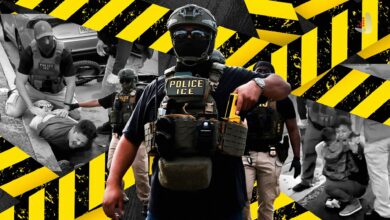
Beyond voter-roll disputes, federal agencies have raised the possibility of deploying immigration officers at polling places, threatening to withhold homeland-security funding from states that reject federal election requirements, and seizing election materials. Voting-rights advocates argue that such measures could intimidate eligible voters, especially in Latino communities and mixed-status families. Although the Department of Homeland Security stated that it had no plans to target polling locations, public statements about possible deployments have heightened concern. Courts have also blocked attempts to condition federal emergency-management funding on compliance with disputed election-security requirements.
Henderson’s response reflects the importance of federalism and state-level institutional independence. Despite criticism from some Utah Republicans and limited public support from senior party figures, she has refused to surrender confidential voter information. Her position draws on the constitutional division of election responsibilities and her obligation to protect voters under state law. Utah’s election officials have also conducted contingency exercises addressing possible federal deployments, ballot seizures, polling-place disruptions, and conflicts between state and federal law-enforcement agencies.
The most serious remaining concern is the potential disruption of an election in progress. If federal agents seize ballots or tabulation equipment, even temporarily, the resulting break in the chain of custody could undermine confidence in the count and complicate verification. Election experts consider such an intervention unlikely but potentially damaging. The administration’s repeated legal setbacks demonstrate the limits of executive power, but close congressional races mean that even relatively small changes in voter eligibility or turnout could have consequences.
Ultimately, the confrontation demonstrates that electoral resilience depends not only on constitutional safeguards and judicial review but also on officials willing to enforce legal boundaries despite political and personal costs. The outcome will depend on whether decentralized election administration, independent courts, and professional election personnel can withstand further federal pressure while preserving voters’ access to the ballot./ Source