Trump’s pursuit of Russian cooperation is undermining Ukraine’s defense and raising concerns about political and financial conflicts of interest.
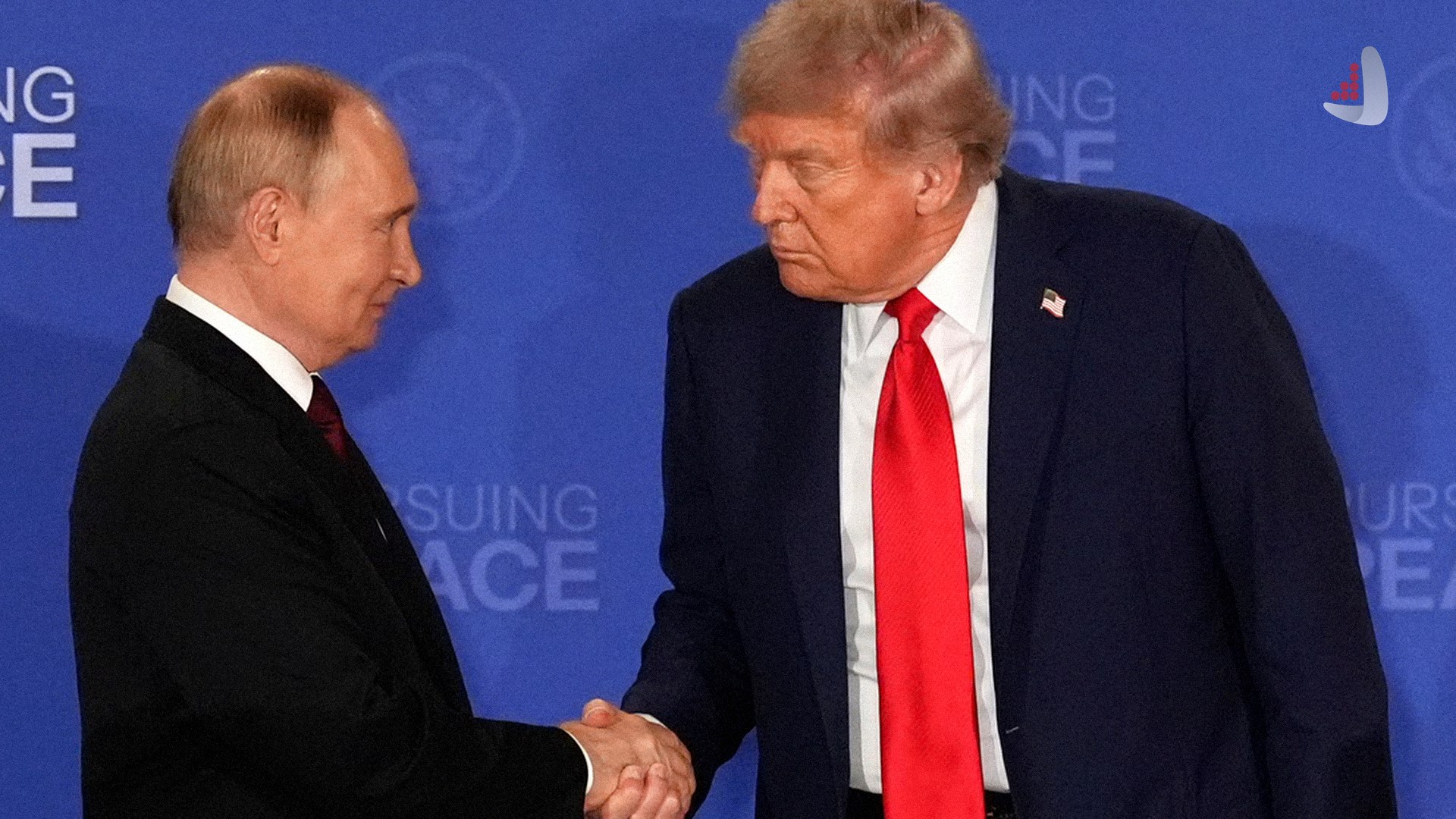
According to Diplomacy Atlas, a note titled “A New Chapter in the Trump–Putin Relationship: Sacrificing Ukraine”, written by Sidney Blumenthal and published by The Guardian, examines how Donald Trump’s pursuit of closer relations with Vladimir Putin could weaken American support for Ukraine, strengthen Russia’s strategic position, and create potential conflicts of interest involving political allies and family-linked business ventures. The analysis connects diplomatic concessions, energy transactions, military communications disruptions, and prospective Russian investments to broader concerns about U.S. foreign policy and presidential accountability. Below, you can read the abstract of this note.
The relationship between U.S. President Donald Trump and Russian President Vladimir Putin has become a central factor in the future of the war in Ukraine and the direction of American foreign policy. Trump’s efforts to negotiate an end to the conflict have increasingly involved criticism of Ukrainian President Volodymyr Zelenskyy, concessions benefiting Moscow, and proposals that could marginalize Ukraine in decisions about its own territorial and political future. These developments raise concerns that a settlement could prioritize the Kremlin’s demands over Ukraine’s sovereignty while serving Trump’s domestic political and commercial interests.
A proposed meeting involving Trump, Putin, and Chinese President Xi Jinping, without Zelenskyy’s participation, illustrates the concern. Such an arrangement would allow major powers to discuss Ukraine’s future without the direct involvement of its government, recalling the 1938 Munich Agreement, when European powers negotiated Czechoslovakia’s territorial concessions to Nazi Germany without meaningful Czech participation. The comparison underscores the risks of a diplomatic settlement imposed on a country whose territory and security are at stake.
Trump’s approach is also shaped by domestic political pressures. With inflation and economic dissatisfaction threatening Republican prospects ahead of the midterm elections, he has increasingly blamed Zelenskyy for prolonging the war. At the same time, Trump has criticized Ukrainian attacks on Russian oil infrastructure and suggested that Ukraine needs different leadership capable of reaching an agreement with Moscow. This framing shifts attention away from Russia’s invasion and presents Ukraine’s resistance as an obstacle to peace.
Energy transactions have provided a concrete example of the administration’s policy direction. Following a lengthy telephone conversation with Putin, Trump announced arrangements for substantial Russian diesel purchases, accompanied by a waiver of sanctions. The proposed deliveries included 300,000 metric tons initially, followed by additional quantities. Given the scale of U.S. fuel consumption, these imports would have little influence on domestic prices, while the resulting revenue could help sustain Russia’s wartime economy. The transaction therefore raises questions about whether commercial benefits outweigh the strategic costs of easing pressure on Moscow.
Ukraine’s military position has also been affected by disruptions to its satellite communications. Access to the Starshield network, managed by Elon Musk’s company for the Pentagon, was reportedly restricted, degrading communications along the Ukrainian front. The disruption preceded Russian missile attacks that damaged energy infrastructure and left approximately 600,000 Ukrainians without electricity. Connectivity was largely restored after objections from European governments and members of Congress, although the episode exposed Ukraine’s dependence on privately managed systems and American political decisions.
Potential commercial arrangements involving Russian energy assets add another dimension. Negotiations reportedly explored investments in Lukoil, Russia’s second-largest oil company, involving international investors and individuals connected to Trump’s political circle. Jared Kushner, Trump’s son-in-law and envoy, has business relationships with Qatari investors mentioned in connection with the proposed consortium. Other prospective participants reportedly have financial ties to Trump’s political fundraising network. These overlapping relationships raise questions about transparency, sanctions enforcement, and whether private commercial opportunities could influence diplomatic decisions.
The broader pattern reflects Trump’s longstanding admiration for Putin’s concentrated authority. His response to Russian interference in the 2016 U.S. election, particularly his public deference to Putin during the 2018 Helsinki summit, demonstrated the tension between personal diplomacy and the assessments of American intelligence agencies. Former national security official Fiona Hill has argued that Trump’s desire to be regarded as Putin’s equal makes him vulnerable to manipulation.
Institutional concerns extend to the Justice Department. An initiative intended to investigate alleged misconduct surrounding the Russia investigation encountered internal disagreements, with its appointed leader reportedly resigning amid pressure to pursue criminal cases before they were adequately prepared. Meanwhile, Trump has openly expressed interest in closer cooperation with Russia, reducing the distinction between previously disputed allegations of improper coordination and publicly declared political objectives.
The central strategic concern is that concessions to Moscow could weaken Ukraine militarily, economically, and diplomatically while offering Russia opportunities to restore revenue and influence. If Washington pressures Kyiv into accepting Russian terms without credible security guarantees, the resulting agreement could leave Ukraine vulnerable to renewed aggression. The intersection of presidential diplomacy, domestic political calculations, and prospective private-sector gains further complicates the assessment of American policy. Ultimately, the direction of U.S.–Russian relations will shape not only Ukraine’s prospects but also the credibility of American commitments to its allies and the international order./ Source