The Chinese market’s reception of Jetta’s new all-electric vehicle demonstrates that combining German engineering with China’s supply chain and smart technology creates a win-win competitive edge.
According to Atlas of Diplomacy, an opinion piece titled “Jetta’s Successful Comeback in China: A Model for Beijing-Berlin Industrial Cooperation” was published in Global Times. Examining the successful launch of the new electric vehicle by the FAW-Volkswagen joint venture in China, this piece argues that Sino-German automotive cooperation has moved beyond the traditional assembly model to reach the stage of joint research and development in the new energy era. Below is a summary of the piece.
The Jetta automotive brand, owned by the FAW-Volkswagen joint venture and known for decades as the first car for millions of Chinese families, unveiled its new all-electric vehicle, the M6, in China on October 22. Priced at under 100,000 yuan (about $15,000) even in its top trim and equipped with advanced urban autonomous driver-assistance systems, the model recorded over 10,000 locked orders within just 19 hours of launch. This reception in China’s fiercely competitive new-energy vehicle market highlights the strong potential of industrial cooperation between Beijing and Berlin.
Earlier, FAW Group and the Volkswagen Group signed a new strategic cooperation agreement in Wolfsburg, Germany. Under this agreement, the two sides will produce 11 models customized for the Chinese market starting in 2026 across all-electric, plug-in hybrid, and range-extended electric segments, with the electric transformation of the Jetta brand forming a key part of this roadmap.
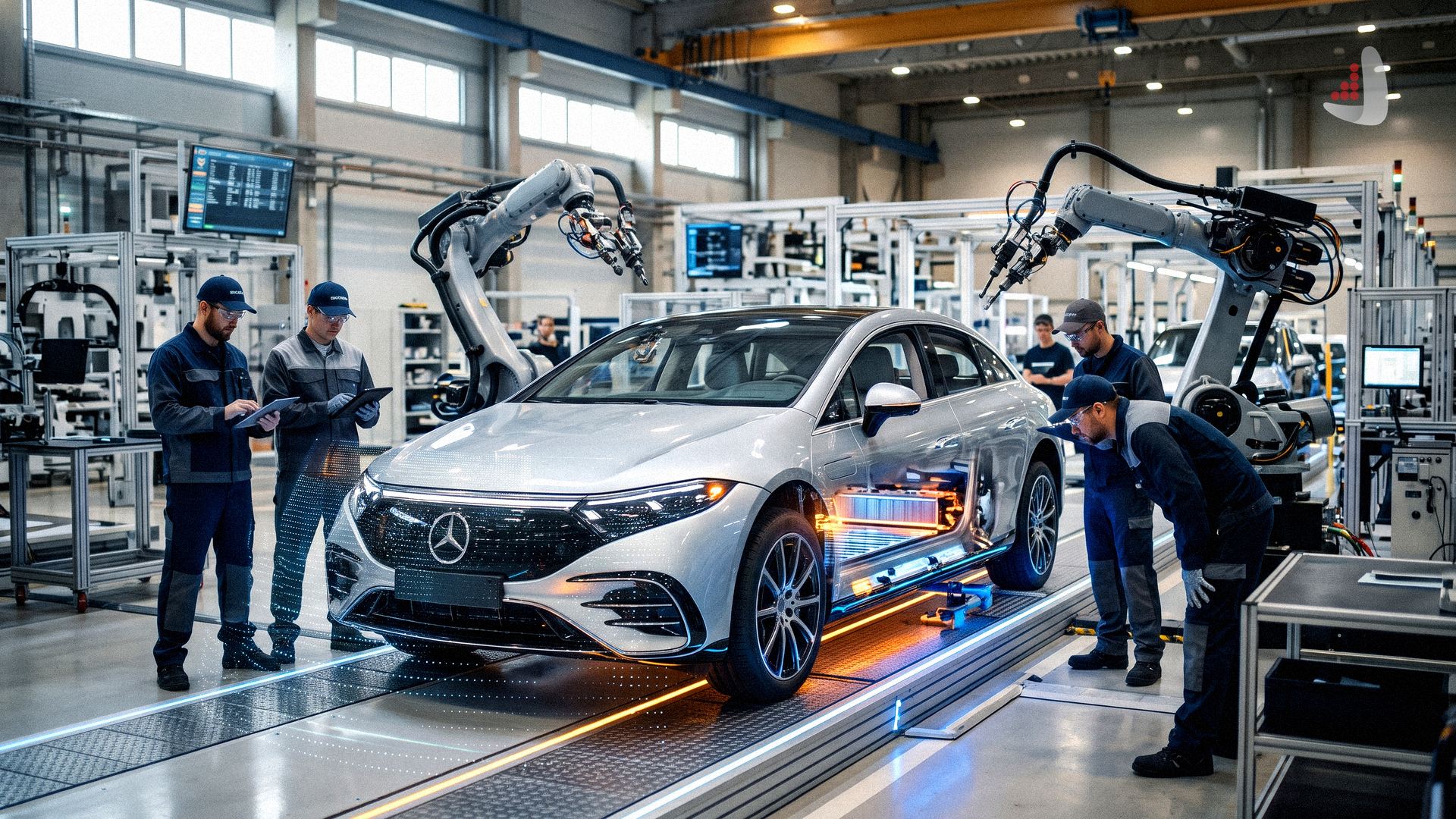
Unlike the model of thirty years ago, which relied on “German technology and assembly in China,” the new agreement elevates the Chinese partner from manufacturing and sales to deep participation in product definition and leadership in specific research and development areas. Combining German engineering standards with China’s advanced battery technologies, smart cabins, autonomous driving, and local supply chains has created a new synergy.
Sino-German automotive cooperation rests on four decades of mutual trust and industrial integration since the establishment of SAIC-Volkswagen in the 1980s. Volkswagen has built its first full research and development center outside Germany in Hefei, located in China’s Anhui Province—a facility that shortens the overall vehicle development cycle by 30 percent. This experience shows that aligning the technology, talent pools, and supply chains of both countries generates a competitive advantage greater than the sum of their individual capacities.
Amid external speculation regarding the economic climate, China has rejected exclusive blocs and applied equal national treatment in permits, standards, and subsidies for foreign automakers; consequently, foreign brands account for one-third of sales under China’s auto trade-in subsidy program. Ongoing consultations between China’s Ministry of Commerce and the German Association of the Automotive Industry also emphasize resolving differences through dialogue and maintaining the stability of the global supply chain./ Source