The war with Iran has increased U.S. costs and intensified pressure to bring the conflict to an end.
According to Atlas Diplomacy, the article “Attacks on 20 Pentagon Bases: The Heavy Cost of War for the United States,” prepared by the Foreign Desk of Kayhan newspaper, examines the military and economic consequences of the Iran-U.S. war. Its central argument is that Iranian attacks on U.S. regional bases, pressure on weapons stockpiles, and the crisis in the Strait of Hormuz have raised the cost to Washington of continuing the war and strengthened Tehran’s bargaining position. What follows is a summary of the article. The attribution is also consistent with the format of contemporaneous pieces published by Kayhan’s Foreign Desk.
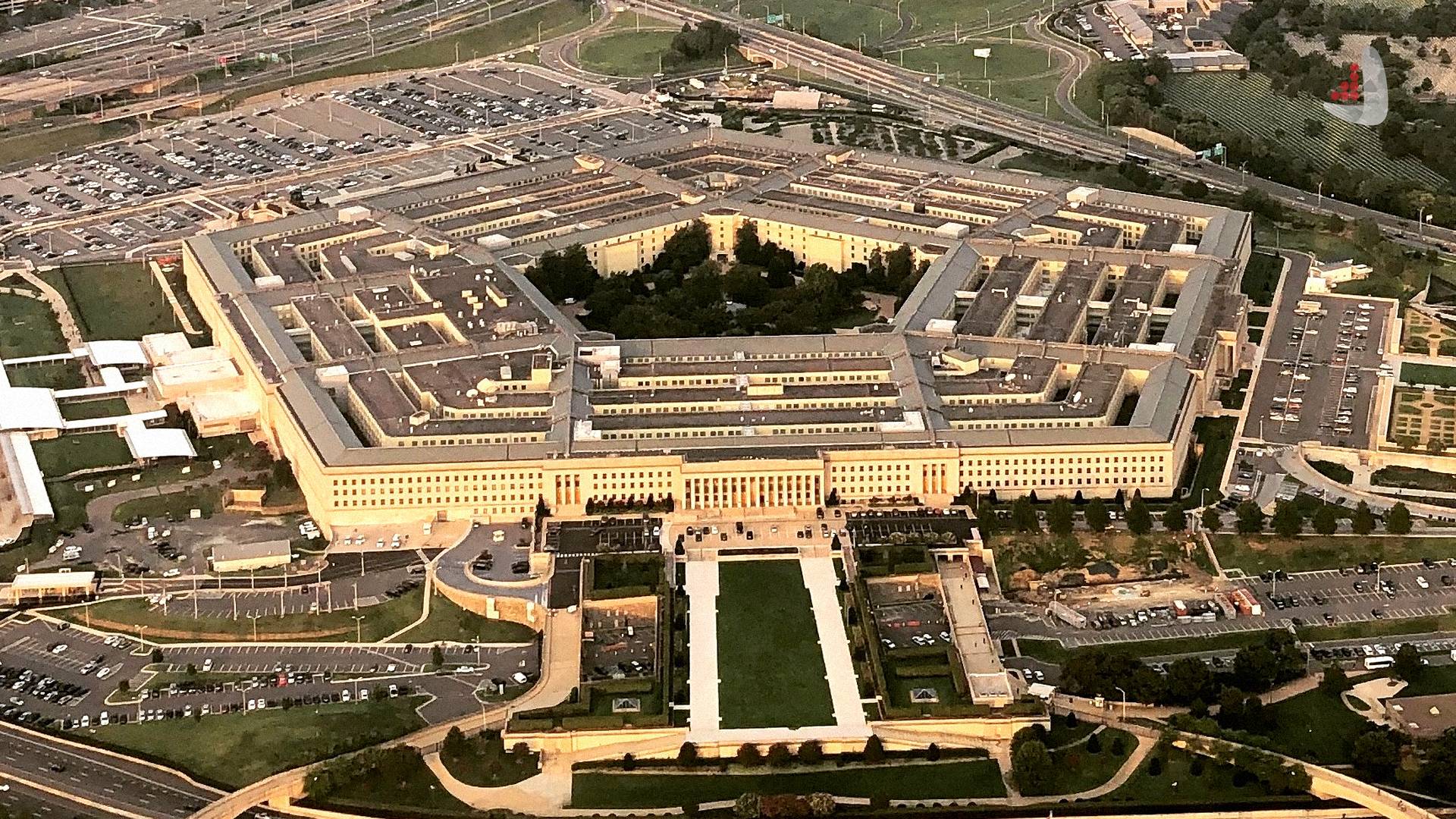
In the account presented here, the Iran-U.S. war has entered an attritional phase in which Washington’s military, economic, and strategic costs have become among the most consequential variables shaping the conflict. Large-scale Iranian missile, drone, and air attacks against U.S. positions in West Asia have not only damaged military infrastructure and equipment, but have also placed U.S. defensive capabilities and ammunition stockpiles under strain. Estimates cited in the article indicate that at least 20 military bases and facilities across eight countries have been damaged, with some of the losses involving aircraft, communications systems, storage facilities, command centers, and air-defense equipment.
This situation has cast serious doubt on Washington’s initial calculations about its ability to inflict a swift defeat on Iran. Pressure on stockpiles of THAAD and Patriot interceptor missiles, the cost of replacing advanced weapons, and the difficulty of sustaining a prolonged war have narrowed the range of U.S. military options. At the same time, the continuation of the conflict could affect Washington’s ability to manage potential crises in other regions, particularly East Asia, while tying down part of its deterrent capacity on the Middle Eastern front.
The Strait of Hormuz has likewise emerged as one of Iran’s principal sources of strategic leverage. The dependence of global trade and energy flows on maritime routes means that disruption in this waterway would have consequences extending well beyond the battlefield, driving up prices, placing pressure on energy markets, and imposing costs on the U.S. economy and those of its partners. Under such circumstances, discussion of ending the war without fully achieving its initial objectives, coupled with a focus on reopening the Strait, is portrayed as evidence of a shift in Washington’s priorities—from achieving military victory to managing the costs of the crisis.
Political pressure to end the conflict has also increased within the United States. Critics of the Trump administration argue that continuing the war without a clear prospect of victory would impose greater human and financial costs while, conversely, strengthening Tehran’s bargaining power. From this perspective, the longer the war continues, the more difficult it will become for Washington to secure an agreement on favorable terms, while Iran could use its control of, or ability to threaten, maritime chokepoints, together with its missile capabilities, as bargaining tools.
The broader dimension of the crisis concerns the United States’ position in the international order. If a diminished U.S. ability to guarantee the security of its bases and maritime routes persists, it could alter other actors’ perceptions of American deterrent power. For decades, the security of global waterways has been closely associated with the U.S. military presence and American naval superiority. Accordingly, a prolonged war and the growing vulnerability of overseas bases could intensify competition over strategic chokepoints.
Overall, the central issue is no longer simply the scale of losses sustained by the two sides, but their respective capacity to endure an attritional war and convert military instruments into political leverage. Iran has sought to alter the balance of costs by striking military infrastructure, raising the cost of defense, and exploiting the geopolitical position of the Persian Gulf. The United States, by contrast, faces ammunition constraints, domestic economic pressure, and the need to preserve its capabilities for other theaters. The outcome of this equation could push Washington more strongly than before toward ending the war through negotiations./Source