Sovereign management of the Strait of Hormuz could strengthen Iran’s deterrence and raise the cost of foreign pressure.
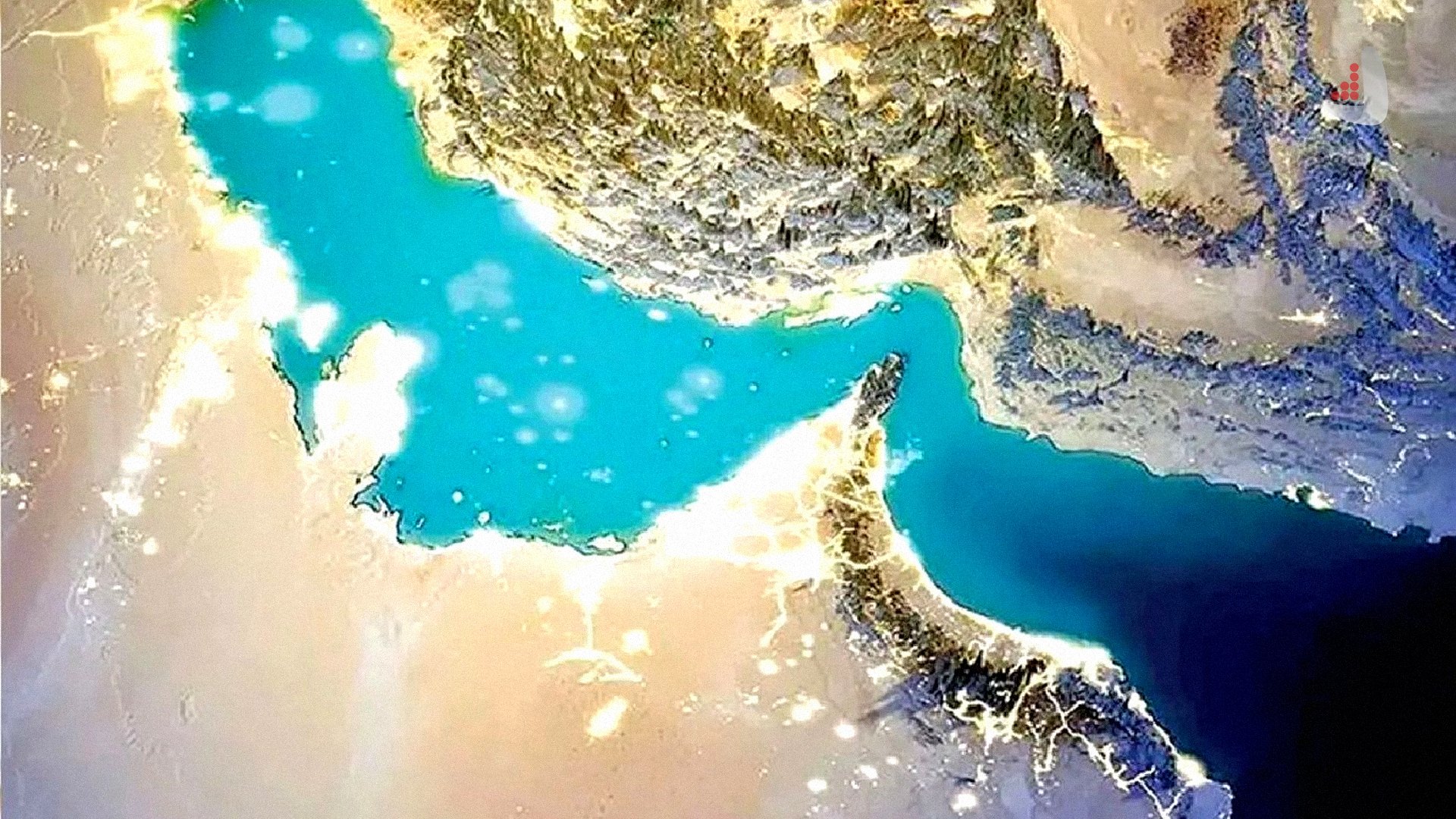
According to Atlas Diplomacy, an article titled “Hormuz Must Become Iran’s Suez,” written by Ali Maleki and published by Farhikhtegan, examines the economic and security significance of the Strait of Hormuz. It argues that Iran should use the management of this waterway to consolidate its maritime sovereignty, collect fees for services provided, and preserve its deterrent power—a policy focused not on permanently closing the strait, but on establishing a new order governing the passage of vessels. What follows is a summary of the article.
Within this framework, the Strait of Hormuz is viewed not merely as an energy transit route, but as one of Iran’s most important instruments of deterrence and sovereign authority. The central argument is that, over the past several decades, Tehran has borne the costs of providing maritime security, clearing shipping routes, confronting military threats, and protecting the Persian Gulf’s environment, while foreign vessels have used the passage without paying a commensurate share of those costs. Following the war and the intensification of direct threats against Iran, the unrestricted passage of ships is no longer considered compatible with the country’s security interests.
The comparison between the Strait of Hormuz and the Suez Canal rests on this premise. The nationalization of the Suez Canal under Gamal Abdel Nasser turned control of a strategic waterway into a symbol of Egyptian sovereignty and independence. By the same logic, Iran could consolidate its role in managing Hormuz by introducing new regulations, collecting fees for maritime services, and enforcing security oversight. From this perspective, the fact that Hormuz is a natural strait while Suez is an artificial canal does not preclude the collection of fees, because maintaining the security and navigability of both routes requires substantial material and human resources.
Hormuz’s importance is not limited to oil exports. Significant volumes of natural gas, energy products, chemical fertilizers, sulfur, and essential commodities pass through the waterway, while alternative infrastructure in Saudi Arabia and the United Arab Emirates lacks the capacity to transport all of these shipments. Pipelines may be able to carry a portion of the oil, but they cannot fully replace maritime transportation for bulky and diverse cargoes. Disruption in Hormuz could therefore place simultaneous pressure on energy markets, food security, and global supply chains.
Active management of the waterway is presented as a more immediate instrument than nuclear capability, because its economic impact could become visible within a short period. This feature turns Hormuz into leverage for preventing an escalation of war and increasing the costs of military action against Iran. In this view, losing that leverage would not only weaken Tehran’s bargaining power, but could also encourage opposing parties to intensify security pressure and support internal instability.
The ultimate objective, however, is not the permanent closure of the strait. A prolonged and complete shutdown of the waterway would also impose economic and political costs on Iran. The preferred strategy is to preserve maritime traffic within a new order under which vessels comply with designated security and financial regulations. Charging fees for services, inspecting or controlling vessels that violate the rules, and reducing the threatening presence of foreign powers would form the principal components of such a model. Overall, the Strait of Hormuz is portrayed as an economic, security, and geopolitical asset whose protection is inseparable from preserving Iran’s territorial integrity and deterrent power. Transforming practical control over the route into a routine legal and administrative mechanism could strengthen Iran’s regional position. Implementing such a policy, however, would be impossible without carefully managing the risks of military confrontation, legal challenges, and international economic pressure.