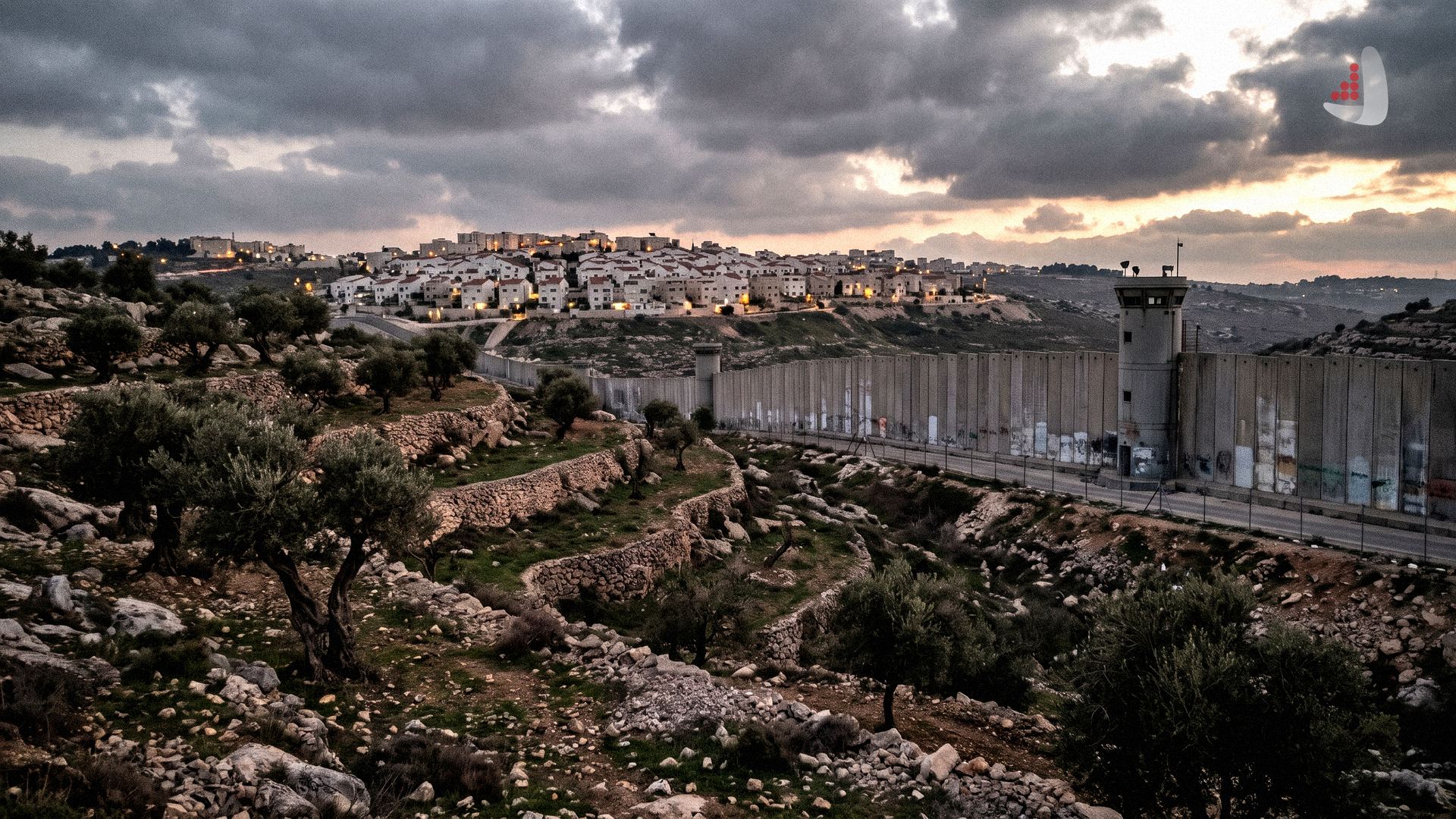
Despite their electoral rivalry for power, Israel’s political factions share a consensus on maintaining the occupation, expanding settlements, and opposing a Palestinian state.
According to Atlas Diplomacy, an analysis titled “A Bleak Outlook for the West Bank in the Shadow of Israel’s Parliamentary Election” by Kate McMahon has been published in The New Arab. This analysis demonstrates that regardless of whether Netanyahu’s far-right coalition or the centrist bloc led by Eisenkot wins the Knesset election, the structure of occupation and settlement expansion in the West Bank will continue without fundamental change. Below is a summary of the piece.
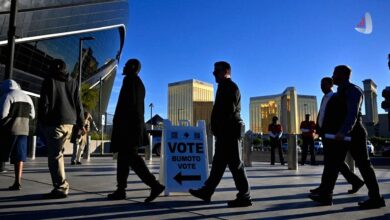
Israel’s parliamentary election is taking place as the occupied West Bank witnesses a sweeping wave of campaign billboards from far-right parties and an unprecedented surge in settler violence. Benjamin Netanyahu, facing domestic resentment over the security failures surrounding the October 7 attack, is pitted against a coalition of four Jewish opposition parties led by Gadi Eisenkot. Nevertheless, opinion polls indicate that neither bloc will secure a 61-seat majority in the 120-seat Knesset, and for the 3.4 million Palestinians living in the West Bank who are barred from voting, the outcome of this contest will not bring any fundamental change to the reality of the occupation.
Approximately 750,000 Israeli settlers live in the West Bank and East Jerusalem, and although they account for only 7 to 8 percent of Israel’s total population, they wield disproportionate political influence. According to data from the Office of the United Nations High Commissioner for Human Rights, an average of six settler attacks against Palestinians per day has been recorded so far this year, escalating sharply with the start of the autumn olive harvest. Furthermore, following a shooting attack on an Israeli checkpoint on October 23, Itamar Ben-Gvir called for barring Palestinians from driving on West Bank roads, while the Israeli military launched an operation involving home demolitions that has displaced 400 Palestinian families so far.
Gadi Eisenkot, Netanyahu’s main challenger and the architect of the 2006 “Dahiyeh Doctrine,” has promised to rein in settler violence but firmly opposes a two-state solution and the establishment of a Palestinian state. According to analysts, even if the opposition wins, the incoming government may continue settlement construction to ease pressure from the settler lobby or appease coalition partners, imposing only minor restrictions on street-level violence. Conversely, if Netanyahu remains in power or heads a caretaker government, settlers may be emboldened to accelerate their plans for the annexation of the West Bank.
Meanwhile, Arab parties—namely the “Joint List” and the “United Arab List” (Ra’am)—are projected to win around 15 seats, positioning them to play a decisive role in ousting Netanyahu and Ben-Gvir. Although the opposition coalition has ruled out partnering with Arab parties, a parliamentary deadlock could force them to reconsider. Still, Palestinian observers warn that removing Netanyahu might merely provide Western governments with a pretext to rehabilitate Israel’s international image and lift European sanctions against settlements without bringing any real end to the occupation and ethnic cleansing./ Source