A New Era or the Collapse of Classical Diplomacy?
According to Atlas of Diplomacy, an op‑ed titled “A New Era or the Collapse of Classical Diplomacy?”, written by Ali‑Asghar Basiri‑Jam and published in Iranian Diplomacy (Diplomasi‑ye Irani), examines the impact of Donald Trump’s policies and conduct on the erosion of the principles of classical diplomacy, international law, and the post–World War II global order. The article argues that the Trump administration’s unilateral, threat‑based, and unpredictable approach created lasting fractures in multilateral cooperation and increased instability in international relations. What follows is a synopsis of that op‑ed.
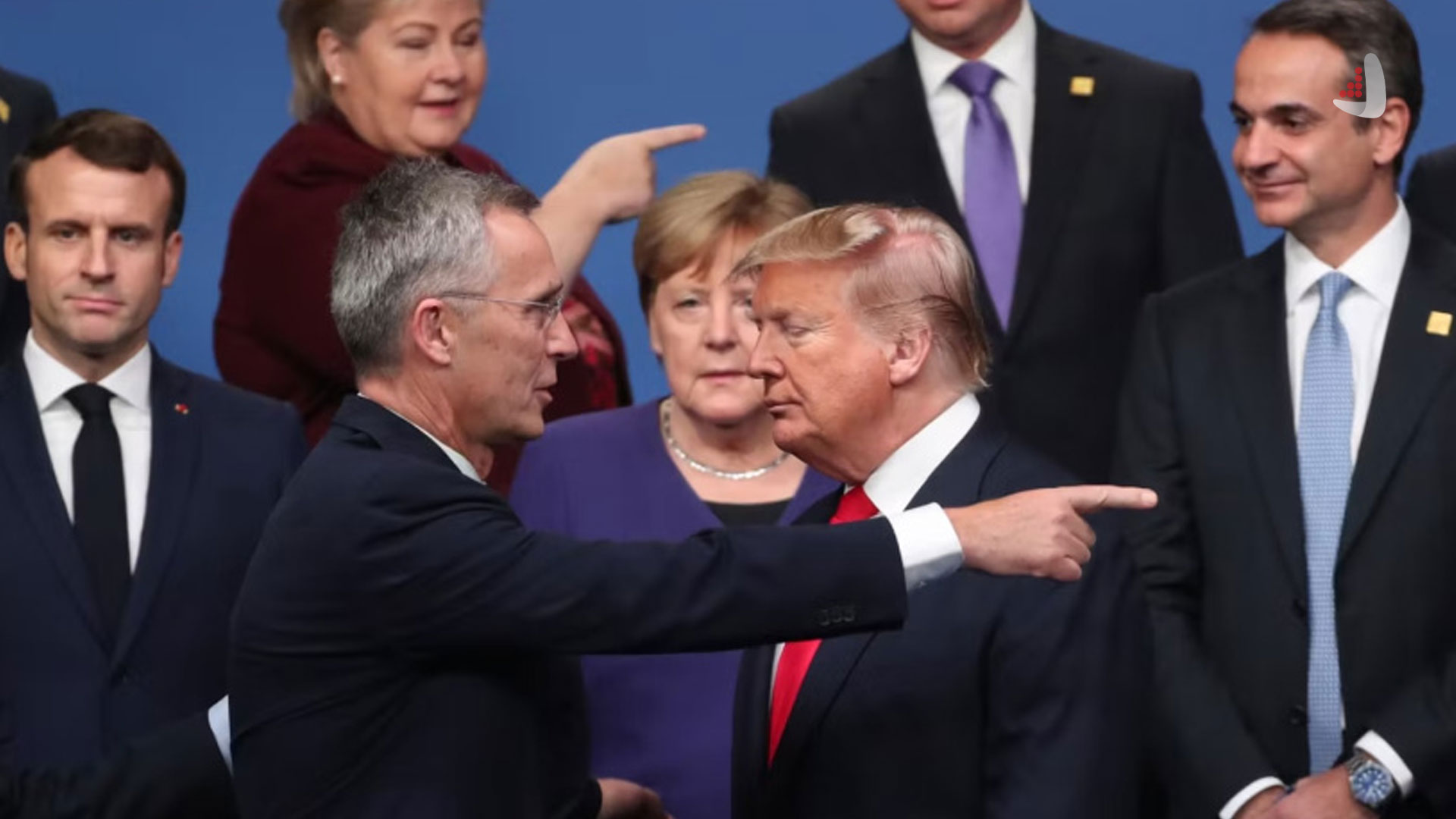
During Donald Trump’s presidency, the mode of international interaction and the governing principles of international relations and international law underwent fundamental transformations. His aggressive and unpredictable policies challenged the entrenched structures of diplomacy and weakened many principles that had taken decades—and substantial costs—to establish. Within this framework, the world entered a period that can be divided into before and after Trump: a period in which classical diplomacy and the rules of international law lost their former standing, and new patterns of political and international behavior emerged.
In Trump’s second presidential term, the breaking of the classical rules of diplomacy became even more explicit. His approach demonstrated that concepts such as multilateral diplomacy and international law had given way to unilateral decision‑making based on immediate interests. U.S. policies during this period frequently fell outside the accepted frameworks of international relations, leading to widespread doubt about the credibility of existing rules.
One of the most striking examples of this approach was the threat—and attempted pursuit—of kidnapping the legitimate president of Venezuela, along with the public articulation of military options for regime change in that country. Such actions directly violated the principles of national sovereignty and non‑interference in the internal affairs of states—principles that even major powers had previously observed with far greater caution. Under Trump, these policies were not merely contemplated but pursued openly.
The unilateral withdrawal from international agreements and treaties was another defining feature of this era. The United States’ exit from the Iran nuclear agreement (JCPOA) and the climate change treaty exemplified a disregard for accords that were the product of years of negotiation and international consensus. These moves caused many countries to question the durability and credibility of international agreements and cast uncertainty over the future of global cooperation.
In West Asia, continuous threats against Iran and escalating tensions occupied a central place. The simultaneous use of political, economic, and military instruments—including the deployment of naval task forces to the Persian Gulf—brought the region to the brink of serious crises. The “maximum pressure” policy was also pursued with the aim of forcing Iran into renewed negotiations under different terms, further intensifying regional instability.
In the economic sphere, the imposition of heavy tariffs on China and the European Union, along with withdrawal from trade agreements such as NAFTA, reflected the absolute prioritization of U.S. interests and an isolationist approach. These policies triggered extensive trade wars and negatively affected America’s economic relations with many countries.
Overall, this period produced deep fissures in the post–World War II global order. The weakening of international organizations, the increase in direct interventions, and contradictory behavior in relations with allies and rivals alike compelled countries to reconsider their relationships with the United States. The outcome of this trajectory has been the emergence of a tense and uncertain world whose future remains shrouded in ambiguity.