Middle East
-

The Legal Challenge of the Strait of Hormuz
Iran’s security and freedom of navigation through the Strait of Hormuz must be balanced. According to Atlas Diplomacy, the article…
-

Washington’s Defeat in Najaf and Karbala
The mass funeral procession in Iraq revealed the depth of Iran’s social influence beyond formal political institutions.
-

Hormuz Must Become Iran’s Suez
Sovereign management of the Strait of Hormuz could strengthen Iran’s deterrence and raise the cost of foreign pressure.
-

Jeffrey Sachs Warns Iran Against Trusting U.S. Commitments
Iran can limit the impact of U.S. sanctions by expanding non-dollar trade.
-
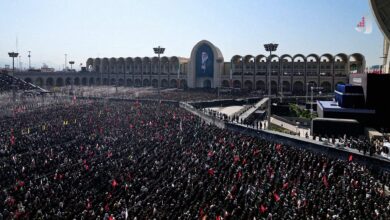
The Crowd Vowing Vengeance for Ayatollah Khamenei Will Reshape the Middle East
The funeral procession for Iran’s leader challenged American and Israeli assumptions about Iranian society.
-

The Leader of the Revolution’s Pledge to Avenge the Blood of the Martyred Imam
The Leader of the Revolution’s message links public mourning to a political commitment to vengeance. According to Atlas Diplomacy, a…
-

Four Clauses, Four Disputes: Iran’s Evidence of U.S. Violations of the Islamabad Understanding
Simultaneous U.S. violations are threatening both the implementation of the Islamabad Understanding and the path toward a final agreement.
-
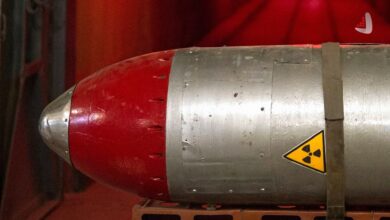
The Difference Between a Deterrent Weapon and Conventional Armaments
Conventional armaments cannot provide Iran with complete deterrence in the absence of a strategic weapon.
-

From “On the Table” to “In the Museum”: Why America’s Military Threat Is No Longer Leverage Against Iran
The Ramadan War showed that firepower, without credibility and the capacity to produce a political outcome, is nothing more than…
-
The Military Option Against Iran Creates Options for Iran
Washington imagines that a military strike can tie Iran’s hands; yet every blow activates a new field of action, response,…